LICQual UK Level 3 Certificate

Airline Safety

Awarding Body

LICQual

Credits

24- Credits

Course Type

Airline Safety

study mode

Online Learning

Course overview

The LICQual UK Level 3 Certificate in Airline Safety is an entry-level qualification designed for individuals who want to begin a career in the aviation industry. This course provides a clear introduction to the basic principles of airline safety and operations, helping learners understand how safety is maintained within airlines and airports. It is ideal for beginners with little or no prior experience who are looking to gain a recognized certification and develop a strong foundation in aviation safety practices.

The course covers important topics such as airline safety procedures, hazard identification, risk awareness, and emergency response planning. Learners will also gain an understanding of aviation regulations and safety standards that are followed globally. The program focuses on both theoretical knowledge and practical insights, enabling students to apply what they learn in real-life aviation environments. This helps build confidence and prepares learners to handle safety-related responsibilities effectively.

Upon successful completion, learners can pursue entry-level roles in airlines, airports, and aviation support services. The qualification also provides a pathway to higher-level studies in airline and airport safety management. With the aviation industry continuously growing, there is an increasing demand for trained safety professionals. This course offers a valuable opportunity to start a rewarding career while developing essential skills needed for long-term success.

Approved Training centre of LICQual Uk

Centre # : ATC24002
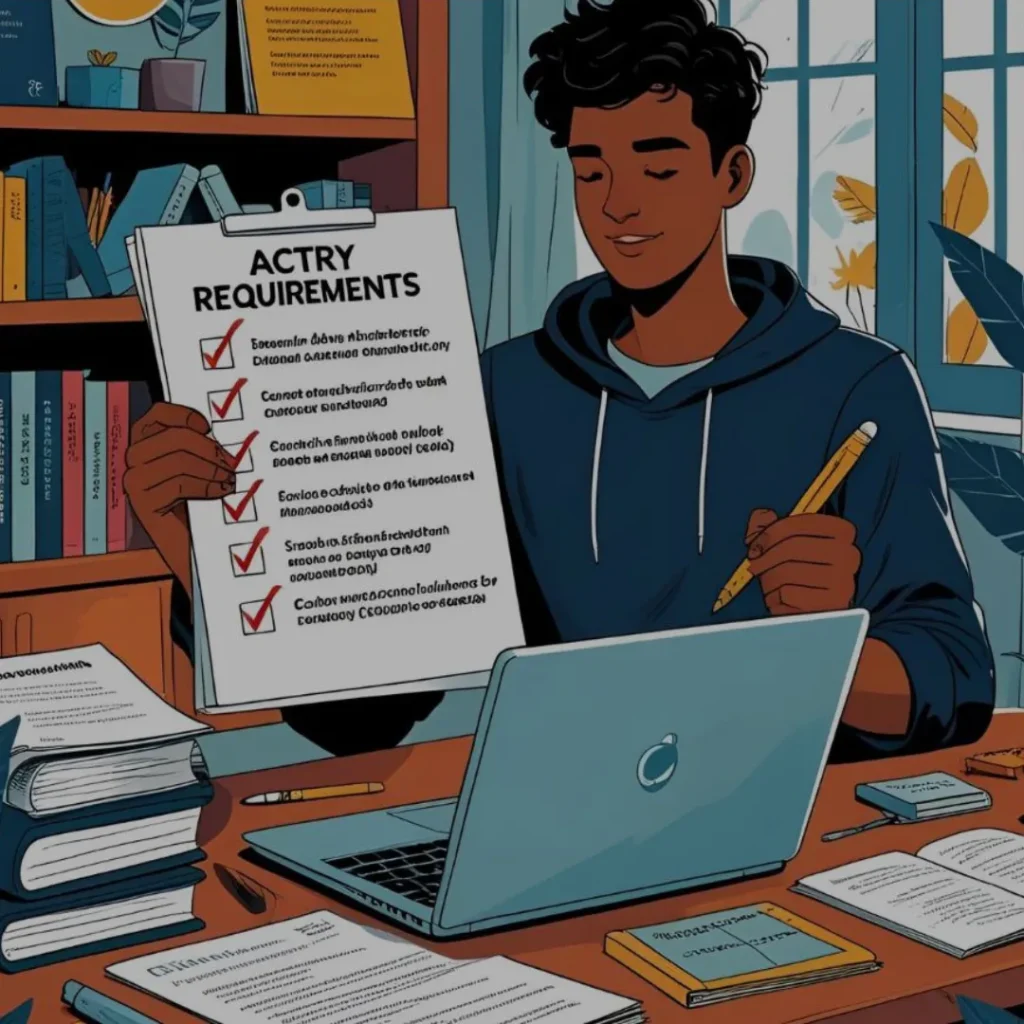
Entry Requirments

Entry Requirements for the LICQual UK Level 3 Certificate in Airline Safety:

  • Educational Qualifications: Candidates should have a secondary school qualification or equivalent. Basic education is sufficient as this is an entry-level course designed for beginners.
  • Professional Experience: No prior experience in aviation or safety is required for this course. It is suitable for individuals who are new to the aviation industry.
  • English Language Proficiency:Since the program is delivered in English, learners must show competence in reading, writing, and communication.

The LICQual UK Level 3 Certificate in Airline Safety in Personal Protective Equipment qualification consists of 6 mandatory units.
  • Introduction to the Airline Industry and Safety Principles
  • Fundamentals of Airline Safety and Security
  • Ground Handling Operations and Passenger Safety
  • Emergency Procedures and Crisis Management
  • Customer Service and Airline Safety Standards
  • Professional Development in Airline Safety

What you will Gain

Introduction to the Airline Industry and Safety Principles

By the end of this unit, learners will be able to:

  • Explain the structure and functions of the global airline industry.
  • Identify the key stakeholders involved in airline operations and safety.
  • Describe the principles of airline safety and their importance in aviation.
  • Analyze the role of international organizations such as ICAO and IATA.
  • Assess the impact of airline safety on global connectivity and passenger trust.
  • Demonstrate understanding of how safety principles guide airline operations.

Fundamentals of Airline Safety and Security

By the end of this unit, learners will be able to:

  • Apply the core principles of airline safety and international security standards.
  • Identify potential hazards and risks within airline operations.
  • Evaluate the role of regulatory authorities in enforcing safety compliance.
  • Demonstrate knowledge of passenger and baggage screening procedures.
  • Recommend strategies to strengthen airline safety culture and compliance.
  • Assess the importance of audits, inspections, and reporting in safety management.

Ground Handling Operations and Passenger Safety

By the end of this unit, learners will be able to:

  • Describe the functions of ground handling and ramp operations in airlines.
  • Apply safety procedures for baggage handling, fueling, and aircraft servicing.
  • Evaluate risks associated with ground operations and recommend controls.
  • Demonstrate knowledge of equipment handling and ramp safety protocols.
  • Analyze coordination between ground staff, airlines, and airport authorities.
  • Develop strategies to improve efficiency and passenger safety in ground operations.

Emergency Procedures and Crisis Management

By the end of this unit, learners will be able to:

  • Identify different types of emergencies that can occur in airline operations.
  • Apply international standards for aviation emergency planning and response.
  • Demonstrate knowledge of evacuation procedures and crisis communication.
  • Evaluate the effectiveness of airline emergency drills and simulations.
  • Develop crisis management strategies to minimize risks and disruptions.
  • Assess the role of airline staff in ensuring passenger safety during emergencies.

Customer Service and Airline Safety Standards

By the end of this unit, learners will be able to:

  • Demonstrate the principles of excellent customer service in aviation.
  • Apply communication and interpersonal skills to manage passenger needs.
  • Evaluate the impact of customer experience on airline reputation and safety.
  • Recommend strategies for handling complaints and service recovery.
  • Assess the role of safety in enhancing passenger trust and satisfaction.
  • Develop approaches to balance customer service with regulatory compliance.

Professional Development in Airline Safety

By the end of this unit, learners will be able to:

  • Demonstrate professional skills required for a career in airline safety.
  • Develop personal career plans aligned with opportunities in aviation.
  • Apply problem‑solving and critical thinking to airline safety challenges.
  • Evaluate the importance of ethics, responsibility, and cultural awareness in aviation.
  • Enhance teamwork, leadership, and communication skills for professional growth.
  • Reflect on continuous learning and development as a pathway to career advancement.

Want to know more?

Yes, the LICQual UK Level 3 Certificate in Airline Safety is internationally recognized and aligned with global standards. This recognition enhances employment opportunities and allows learners to pursue careers in aviation across different countries. It is valued by employers for its practical and industry-relevant content.

Learners will develop key skills in airline safety, including hazard identification, basic risk management, and emergency response awareness. The course also enhances communication, problem-solving, and operational understanding. These skills are essential for maintaining safety and efficiency in aviation environments.

Yes, learners will receive an official certificate awarded by LICQual UK upon successful completion of the course. This certificate serves as formal recognition of your knowledge and competence in airline safety. It can be used to strengthen your CV and improve employment prospects.

This course provides a strong foundation for further studies in aviation safety and management. Learners can progress to higher-level qualifications, such as Level 4 or Level 5 diplomas. It supports long-term career development and helps individuals build a successful future in the aviation industry.

This course is ideal for individuals who are interested in starting a career in the aviation industry, including school leavers and job seekers. It is also suitable for those currently working in travel, tourism, or customer service roles who wish to transition into aviation. The program is designed to be accessible, making it appropriate for beginners with no prior experience.

Lock In Your Spot

Similar Posts