LicQual Level 7 International Diploma

Disaster Management

Awarding Body

LICQual

Credits

120 Credits

Course

Disaster Management

study mode

Online Learning

Course overview

The LICQual Level 7 International Diploma in Disaster Management is a postgraduate-level qualification designed for senior executives and specialists seeking to shape disaster and crisis management at strategic, national, and global levels. The programme focuses on advanced leadership, policy innovation, and governance within disaster risk management, aligned with international standards and global resilience frameworks. Learners gain critical insight into complex disaster systems, legal and ethical dimensions, and the strategic roles of governments, international organisations, NGOs, and private-sector partners in high-impact crisis environments.

Throughout the course, learners develop expert-level research, analytical, and strategic leadership skills essential for executive and advisory positions. Core areas of study include advanced disaster risk analysis and modelling, strategic resilience and sustainability planning, crisis governance, decision-making under uncertainty, and the management of large-scale, multi-national emergency operations. The diploma also addresses disaster intelligence, policy evaluation, resource optimisation, organisational and societal continuity, and the design and assessment of long-term recovery, reconstruction, and development strategies.

This qualification is ideal for senior disaster management leaders, humanitarian executives, policymakers, consultants, and academics aiming to influence policy and practice at the highest levels. Graduates will be equipped to lead national and international disaster strategies, advise governments and organisations, manage complex crisis operations, and strengthen long-term resilience. The Level 7 diploma provides progression to executive leadership roles, consultancy, and doctoral-level or advanced professional study in disaster and humanitarian management.

Approved Training centre of LICQual Uk

Centre # : ATC24002
Entry Requirments

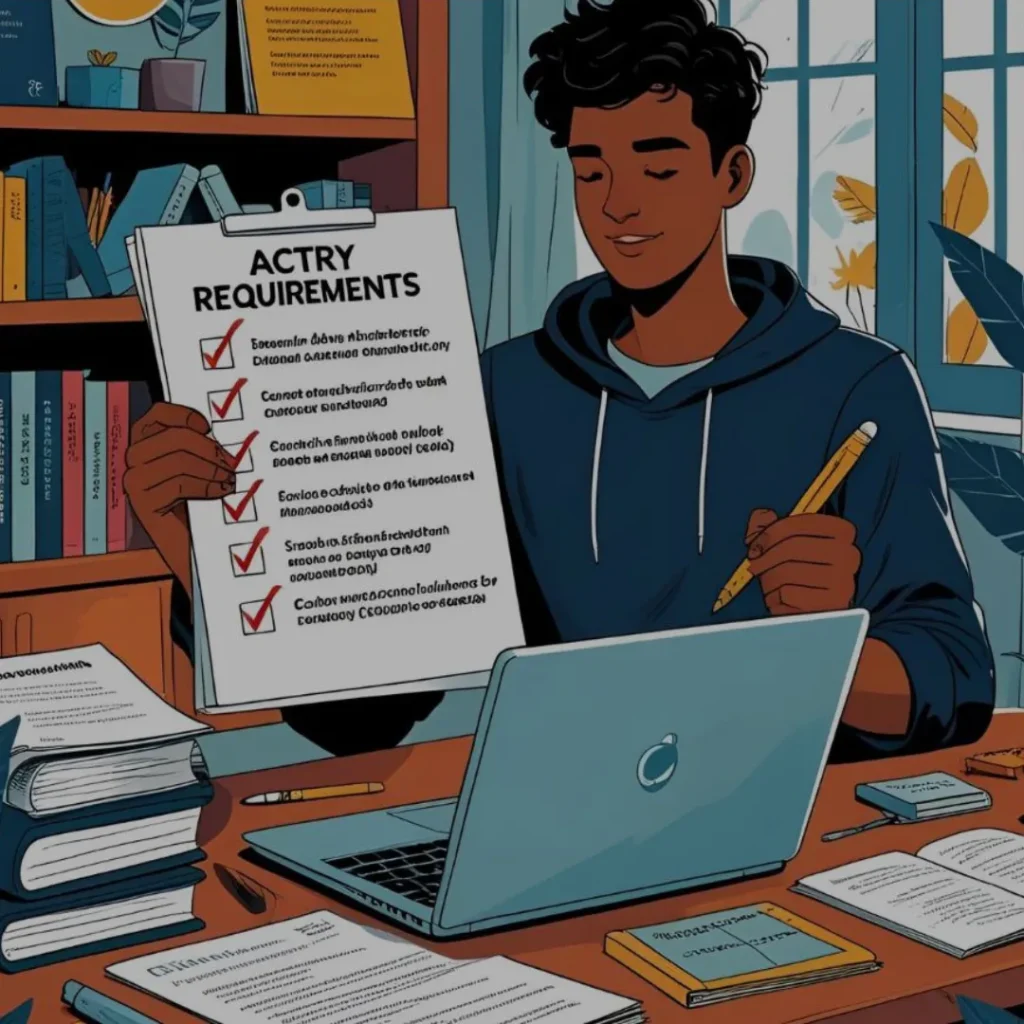
Entry Requirements for the LicQual Level 7 International Diploma in Disaster Management:

  • Educational Qualifications:Applicants should hold a Level 6 qualification, postgraduate diploma, or equivalent degree in disaster management or a related discipline.
  • Professional Experience:Extensive senior-level experience (typically 5+ years) in disaster management, emergency leadership, humanitarian operations, or policy roles is required.
  • English Language Proficiency:Since the program is delivered in English, learners must show competence in reading, writing, and communication.

The LicQual Level 7 International Diploma in Disaster Management in Personal Protective Equipment qualification consists of 6 mandatory units.
The LicQual Level 7 International Diploma in Disaster Management consists of 6 mandatory units which are as follows.

  • Principles of disaster management
  • International Research: Confronting the Challenges of Disaster Risk Reduction and Development
  • Disaster Resilience, Adaptation and Sustainability
  • Vulnerability and Risk Assessment
  • Advanced Research Methodology- Dissertation
  • Participants – Governmental Disaster Management

What you will Gain

Principles of Disaster Management

  1. Understanding Fundamental Concepts:
    • Comprehend the core principles and theories of disaster management.
    • Differentiate between various types of disasters (natural, technological, and human-made).
  2. Risk Identification and Analysis:
    • Identify potential hazards and vulnerabilities.
    • Analyze risk factors and their potential impacts on communities.
  3. Disaster Preparedness and Planning:
    • Develop comprehensive disaster preparedness plans.
    • Implement strategies for effective disaster response and recovery.
  4. Coordination and Collaboration:
    • Facilitate coordination among stakeholders during disaster events.
    • Promote collaboration between governmental and non-governmental organizations.

International Research: Confronting the Challenges of Disaster Risk Reduction and Development

  1. Global Perspectives on Disaster Risk Reduction (DRR):
    • Analyze international frameworks and policies related to DRR.
    • Evaluate the effectiveness of global DRR initiatives.
  2. Challenges in DRR and Development:
    • Identify challenges and barriers to effective DRR in various contexts.
    • Propose solutions to integrate DRR into sustainable development practices.
  3. Research and Data Analysis:
    • Conduct rigorous research on DRR topics.
    • Utilize data to inform DRR strategies and decision-making.
  4. Innovative Approaches:
    • Explore and evaluate innovative approaches to disaster risk reduction.
    • Develop context-specific DRR strategies that align with international best practices.

Disaster Resilience, Adaptation and Sustainability

  1. Concepts of Resilience and Sustainability:
    • Understand the principles of resilience and sustainability in disaster management.
    • Analyze how these concepts apply to community and environmental resilience.
  2. Adaptation Strategies:
    • Develop adaptive strategies to enhance resilience to disasters.
    • Implement sustainable practices that reduce disaster risks.
  3. Assessment and Measurement:
    • Assess the resilience of communities and systems.
    • Measure the effectiveness of adaptation and sustainability initiatives.
  4. Policy and Implementation:
    • Formulate policies that promote disaster resilience and sustainability.
    • Ensure the integration of resilience and sustainability into disaster management plans.

Vulnerability and Risk Assessment

  1. Identification of Vulnerabilities:
    • Identify and categorize vulnerabilities within communities and systems.
    • Understand the socio-economic, environmental, and physical factors contributing to vulnerability.
  2. Risk Assessment Techniques:
    • Apply qualitative and quantitative methods to assess risks.
    • Develop comprehensive risk profiles for various disaster scenarios.
  3. Data Collection and Analysis:
    • Collect and analyze data related to vulnerability and risk.
    • Use Geographic Information Systems (GIS) and other tools to visualize risk data.
  4. Risk Mitigation Strategies:
    • Propose and evaluate strategies to mitigate identified risks.
    • Integrate risk assessment findings into disaster management planning.

Advanced Research Methodology – Dissertation

  1. Research Design and Planning:
    • Develop a clear and feasible research proposal for a dissertation.
    • Understand the components of a well-structured research project.
  2. Literature Review:
    • Conduct a comprehensive literature review related to the research topic.
    • Identify gaps and formulate research questions based on the literature.
  3. Data Collection and Analysis:
    • Utilize advanced research methodologies for data collection.
    • Analyze data using appropriate statistical and qualitative methods.
  4. Thesis Writing and Presentation:
    • Write a coherent and structured dissertation.
    • Present research findings effectively to academic and professional audiences.

Participants – Governmental Disaster Management

  1. Roles and Responsibilities:
    • Understand the roles and responsibilities of governmental agencies in disaster management.
    • Evaluate the effectiveness of government-led disaster management initiatives.
  2. Policy and Legislation:
    • Analyze policies and legislation related to disaster management.
    • Assess the impact of these policies on disaster preparedness and response.
  3. Coordination and Collaboration:
    • Enhance coordination and collaboration among governmental and non-governmental stakeholders.
    • Facilitate effective communication and information sharing during disasters.
  4. Capacity Building:
    • Develop strategies for building the capacity of governmental agencies in disaster management.
    • Implement training programs and simulations to improve preparedness and response capabilities.

Want to know more?

This course is ideal for senior disaster management professionals, humanitarian executives, policymakers, consultants, and academic professionals.

Learners gain advanced skills in disaster governance, strategic risk management, crisis leadership, policy development, and large-scale emergency operations.

Yes, the qualification is internationally recognised and aligned with global disaster risk reduction and resilience frameworks.

The programme focuses on high-level governance, research-led decision-making, intergovernmental coordination, and policy innovation.

Yes, it offers pathways to doctoral-level study and advanced executive or professional development in disaster and humanitarian management.

Lock In Your Spot

Similar Posts