LICQual Level 7 Diploma

Environmental Sustainability Management

Awarding Body

LICQual

Credits

120 Credits

Course

Environmental Sustainability Management

study mode

Online Learning

Course overview

The LicQual Level 7 Diploma in Environmental Sustainability Management is designed for executive leaders and senior professionals seeking to achieve mastery in environmental and sustainability management. This qualification builds on advanced knowledge and equips learners with expert-level understanding of complex environmental legislation, global sustainability frameworks, and international regulatory standards. Participants develop the strategic insight and leadership capabilities required to influence organisational sustainability policies, drive large-scale initiatives, and ensure effective governance across multiple operations and sectors.

Throughout the programme, learners gain advanced analytical, managerial, and decision-making skills to lead high-level environmental performance and sustainability programmes. Core areas of study include strategic environmental impact assessment, climate change mitigation strategy, sustainable resource and energy management, advanced risk assessment, and environmental auditing at an executive level. The course also emphasises sustainability reporting, corporate social responsibility, organisational performance monitoring, and the design of continuous improvement systems. Applied projects and real-world case studies enable participants to evaluate complex challenges and deliver innovative, evidence-based solutions.

This diploma is ideal for environmental directors, sustainability executives, senior consultants, and professionals responsible for shaping organisational sustainability strategy. Graduates are equipped to design and implement enterprise-wide sustainability frameworks, ensure regulatory compliance, and lead organisational transformation initiatives. The Level 7 Diploma also provides pathways to professional recognition, executive certifications, or postgraduate qualifications, supporting career advancement into top-tier leadership and strategic advisory roles in environmental management and sustainability consultancy.

Approved Training centre of LICQual Uk

Centre # : ATC24002
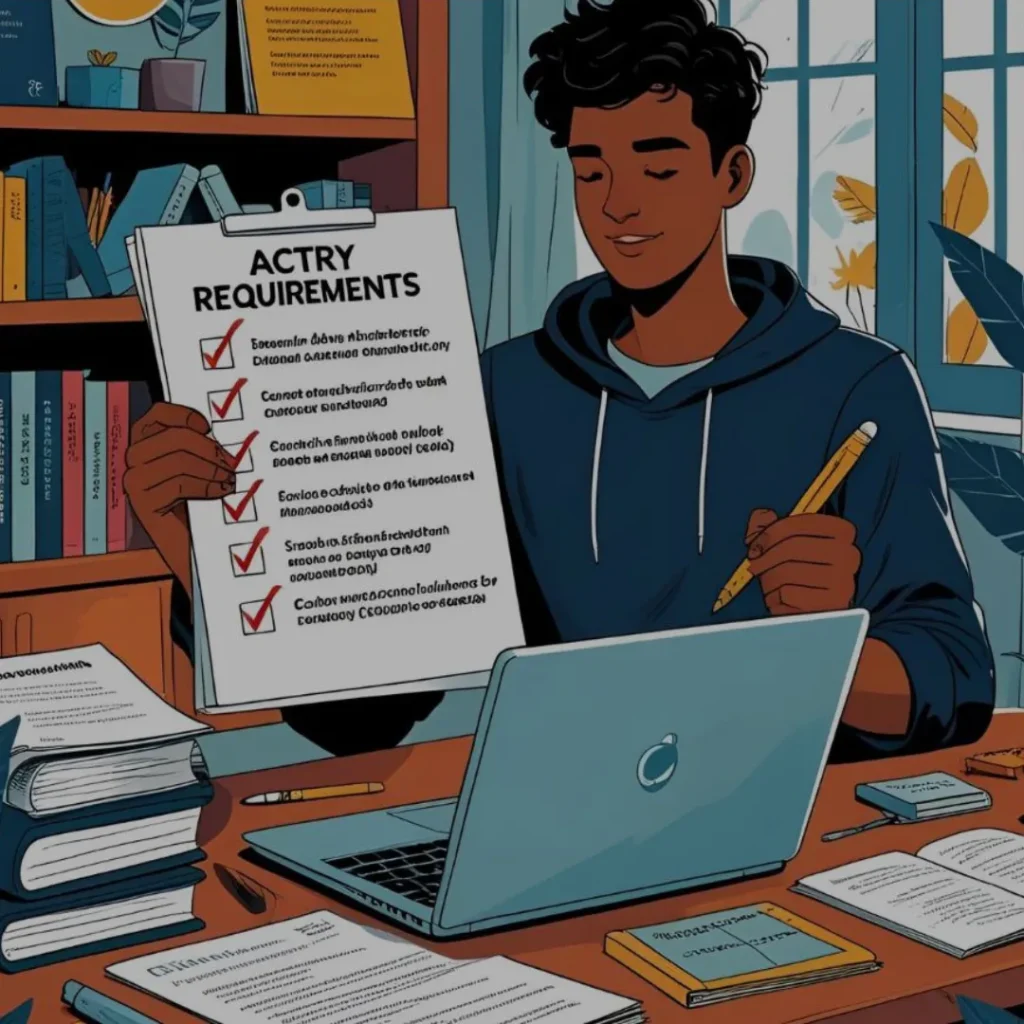
Entry Requirments

Entry Requirements for the LICQual Level 7 Diploma in Environmental Sustainability Management:

  • Educational Qualifications:A Level 6 qualification or equivalent in environmental management, sustainability, or a related field is recommended.
  • Professional Experience:Extensive professional experience in senior or executive environmental and sustainability roles is preferred.
  • English Language Proficiency:Since the program is delivered in English, learners must show competence in reading, writing, and communication.

The LICQual Level 7 Diploma in Environmental Sustainability Management in Personal Protective Equipment qualification consists of 7 mandatory units.
The LicQual Level 7 Diploma in Environmental Sustainability Management consists of 7 mandatory units which are as follows.

  • Environmental Policy and Governance
  • Sustainable Development Strategies
  • Resource Management and Conservation
  • Renewable Energy Technologies
  • Environmental Impact Assessment
  • Corporate Social Responsibility
  • Climate Change Mitigation and Adaptation

What you will Gain

1. Environmental Policy and Governance

  • Understanding Policies: Develop a comprehensive understanding of environmental policies, regulations, and legislation at local, national, and international levels.
  • Governance Frameworks: Learn about governance structures and their role in implementing and enforcing environmental policies.
  • Policy Development: Gain skills in developing, analyzing, and advocating for effective environmental policies.

2. Sustainable Development Strategies

  • Principles of Sustainability: Understand the core principles and concepts of sustainable development.
  • Strategic Planning: Learn to create and implement sustainable development strategies that balance economic, social, and environmental considerations.
  • Performance Metrics: Develop the ability to measure and evaluate the effectiveness of sustainability initiatives using key performance indicators.

3. Resource Management and Conservation

  • Resource Utilization: Understand methods for efficient utilization and conservation of natural resources, including water, energy, and raw materials.
  • Sustainable Practices: Learn to implement sustainable resource management practices that minimize environmental impact.
  • Conservation Techniques: Gain knowledge of conservation techniques and their application in various contexts to protect biodiversity and ecosystems

4. Renewable Energy Technologies

  • Renewable Energy Sources: Understand the different types of renewable energy sources, such as solar, wind, hydro, and bioenergy.
  • Technological Innovations: Learn about the latest technological innovations and advancements in renewable energy.
  • Implementation and Management: Gain skills in planning, implementing, and managing renewable energy projects.

5. Environmental Impact Assessment

  • EIA Processes: Develop a thorough understanding of the Environmental Impact Assessment (EIA) process and its stages.
  • Assessment Techniques: Learn various techniques and methodologies for assessing the environmental impact of projects and developments.
  • Mitigation Measures: Gain skills in identifying and implementing measures to mitigate negative environmental impacts.

6. Corporate Social Responsibility (CSR)

  • CSR Concepts: Understand the principles and importance of Corporate Social Responsibility in promoting sustainable business practices.
  • Strategic Integration: Learn how to integrate CSR into business strategy and operations to enhance social and environmental performance.
  • Stakeholder Engagement: Develop skills in engaging with stakeholders to address social and environmental concerns and enhance corporate reputation.

7. Climate Change Mitigation and Adaptation

  • Climate Science: Gain a foundational understanding of the science behind climate change, including its causes and effects.
  • Mitigation Strategies: Learn about strategies and technologies for reducing greenhouse gas emissions and mitigating climate change.
  • Adaptation Planning: Develop skills in creating and implementing adaptation plans to enhance resilience to climate change impacts.

Want to know more?

This course is ideal for environmental directors, sustainability executives, senior consultants, and leaders responsible for enterprise-wide sustainability and environmental strategy.

Key areas include strategic environmental impact assessment, climate change mitigation strategy, sustainable resource and energy management, advanced environmental risk management, executive-level auditing, and sustainability reporting.

Graduates can pursue executive roles such as environmental director, chief sustainability officer, senior consultant, or strategic sustainability leader.

Yes, it is internationally recognised and aligned with global environmental and sustainability management standards.

Yes, graduates can advance to professional recognition, executive certifications, or postgraduate programmes in environmental and sustainability leadership.

Lock In Your Spot

Similar Posts