ICTQual Level 7 Diploma in Energy Management

Energy Management

Awarding Body

IctQual

Duration

1 to 2
years

Course Type

Ofqual Regulated

study mode

Online Learning

Course overview

In an era where sustainability is not just a buzzword but a global imperative, the role of energy management has become crucial. The ICTQual Level 7 Diploma in Energy Management is designed to equip professionals with advanced skills and knowledge to lead the way in creating sustainable, energy-efficient futures. This program is your gateway to becoming a leader in the dynamic field of energy management.

The ICTQual Level 7 Diploma in Energy Management is an advanced qualification tailored for professionals who aim to take on senior roles in the energy sector. This diploma offers a deep dive into the complexities of energy systems, strategic management, and sustainable practices. It prepares graduates to develop and implement effective energy solutions that meet both business and environmental goals.

The ICTQual Level 7 Diploma in Energy Management is not just an academic achievement; it is a stepping stone to a leadership role in a field that is critical to the future of our planet. By enrolling in this program, you are taking a significant step towards enhancing your career prospects and contributing to a sustainable, energy-efficient world.

If you are ready to elevate your expertise and make a meaningful impact on the future of energy management, the ICTQual Level 7 Diploma in Energy Management is your ideal choice. Embrace the opportunity to become a leader in energy management and drive the change towards a more sustainable future!

satellite centre of Paradigm UK

For ProQual Qualifications
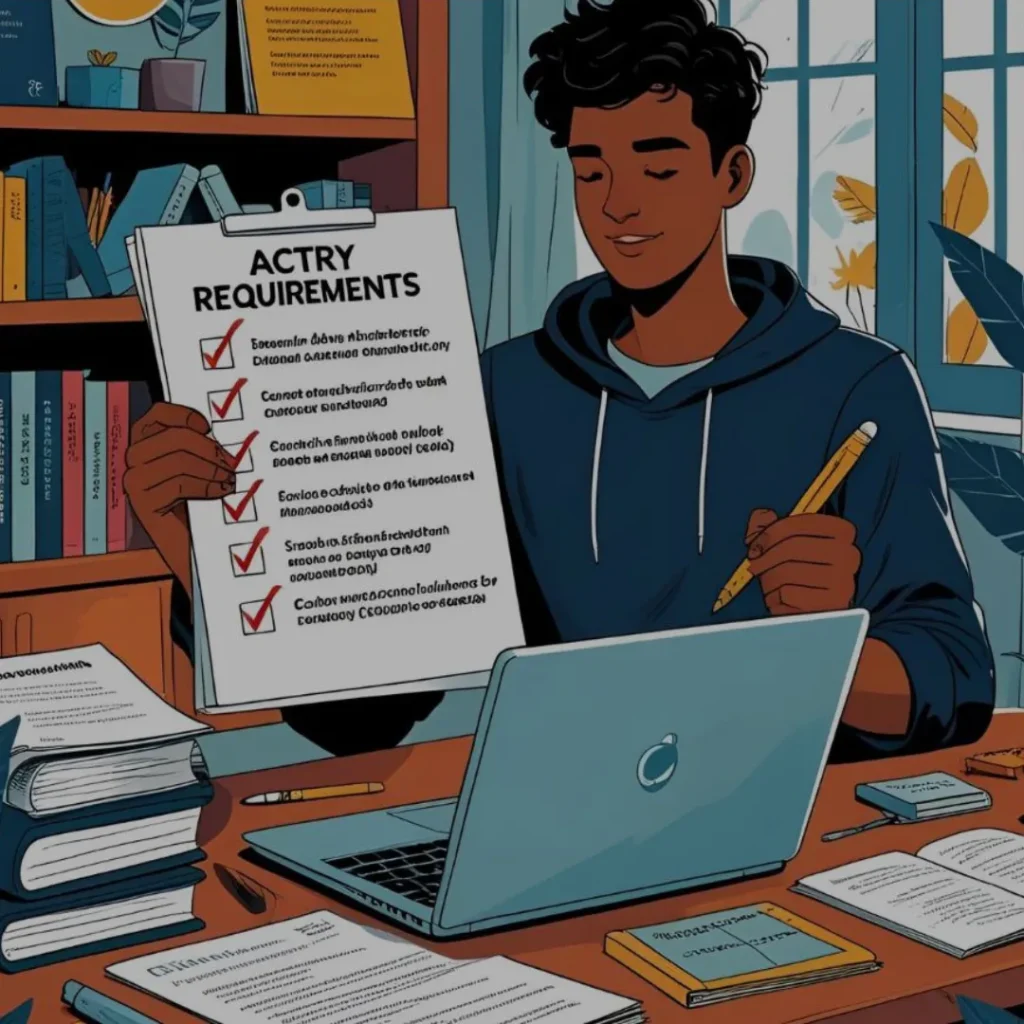
Entry Requirments

Entry Requirements for theICTQual Level 7 Diploma in Energy Management

  • Educational Qualifications:Applicants should have a good general standard of education and the ability to study at Level 7. A relevant Level 6 qualification (or equivalent) in energy management, engineering, environmental science, sustainability, facilities management, or a related discipline is strongly recommended.
  • Professional Experience:Learners should be working in, or have access to, a professional or managerial role with responsibility for energy management, sustainability, environmental performance, or resource efficiency within an organisation.
  • English Language Proficiency:Learners must have an advanced level of English language proficiency to analyse technical and regulatory information, produce detailed reports and strategic plans, and communicate effectively with senior management and stakeholders.

The Level 7 Diploma in Energy Management consists of 11 mandatory units which are as follows.
  1. Introduction to energy management
    Technical and Operational
    Behavioural Change and Motivation
    Waste Management
    Transport
    Water
    Procurement
    Information & Communications Technology
    Energy Assessments, Measurements and Verification
    Regulatory & Legal Compliance and Carbon Management
    Strategy/Plan in energy management

Technical and Operational

  1. Energy Systems Knowledge: Understand the operation and components of various energy systems, including renewable and non-renewable sources.
  2. Technical Optimization: Learn techniques for optimizing energy systems to improve efficiency and reduce waste.
  3. Operational Efficiency: Develop skills to improve the operational efficiency of energy systems through maintenance and upgrades.

Behavioural Change and Motivation

  1. Behavioral Science: Understand the principles of behavioral science as they apply to energy consumption and conservation.
  2. Motivation Strategies: Learn how to motivate individuals and organizations to adopt energy-saving behaviors.
  3. Change Management: Develop strategies to implement and sustain behavioral changes in energy management.

Waste Management

  1. Waste Reduction Techniques: Understand methods to reduce waste generation and improve waste management.
  2. Recycling and Reuse: Learn the principles and practices of recycling and reuse in energy management.
  3. Waste Auditing: Develop the ability to conduct waste audits to identify and mitigate sources of waste.

Transport

  1. Energy in Transport: Understand the role of energy management in the transport sector.
  2. Efficiency Measures: Learn strategies to improve energy efficiency in transport systems.
  3. Sustainable Transport Solutions: Explore sustainable transport solutions, including electric vehicles and public transport optimization.

Water

  1. Energy-Water Nexus: Understand the interrelationship between water usage and energy consumption.
  2. Water Management Strategies: Learn techniques to manage water resources efficiently to reduce energy consumption.
  3. Sustainable Practices: Develop sustainable practices for water usage in industrial, commercial, and residential settings.

Procurement

  1. Energy Procurement Processes: Understand the processes involved in procuring energy, including market analysis and supplier evaluation.
  2. Contract Management: Learn how to manage energy contracts to ensure value for money and regulatory compliance.
  3. Sustainable Procurement: Gain insights into sustainable procurement practices and their implementation.

Information & Communications Technology

  1. ICT in Energy Management: Understand the role of information and communications technology in managing energy.
  2. Data Analysis Tools: Learn to use ICT tools for data collection, analysis, and monitoring of energy consumption.
  3. Smart Technologies: Explore the use of smart technologies to enhance energy efficiency and management.

Energy Assessments, Measurements, and Verification

  1. Energy Audits: Develop skills to conduct comprehensive energy audits.
  2. Measurement Techniques: Learn various techniques for accurately measuring energy consumption and performance.
  3. Verification Processes: Understand the processes involved in verifying energy savings and ensuring data reliability.

Regulatory & Legal Compliance and Carbon Management

  1. Regulatory Frameworks: Gain knowledge of the regulatory frameworks governing energy use and management.
  2. Compliance Strategies: Learn strategies to ensure compliance with legal standards and regulations.
  3. Carbon Management: Develop strategies for managing carbon emissions and achieving sustainability targets.

Strategy/Plan in Energy Management

  1. Strategic Planning: Understand the principles of strategic planning in energy management.
  2. Goal Setting: Learn to set realistic and achievable energy management goals.
  3. Implementation Strategies: Develop strategies for implementing energy management plans.
  4. Monitoring and Evaluation: Gain skills in monitoring and evaluating the effectiveness of energy management strategies and plans.

Want to know more?

The ICTQual Level 7 Diploma in Energy Management is a postgraduate-level qualification designed for professionals responsible for managing energy use, improving energy efficiency, and developing sustainable energy strategies within organisations.

Yes, the qualification is awarded by ICTQual, a recognised awarding organisation. It is designed to meet industry needs and is valued by employers seeking advanced competence in energy and sustainability management.

Assessment is typically through written assignments, case studies, reports, and workplace-based projects. There are no formal examinations, allowing learners to demonstrate applied knowledge in real-world energy management contexts.

Yes, learners are expected to have access to a suitable workplace or professional environment where energy management activities can be evidenced and applied at a strategic level.

Completing this qualification can support progression into senior roles such as Energy Manager, Sustainability Director, Environmental Consultant, Carbon Reduction Manager, or strategic advisory positions.

Lock In Your Spot

Similar Posts