LICQual ISO 14001:2026 EMS (Environmental Management System) Transition Lead Implementer Course

LICQual ISO 14001:2026

(Environmental Management System) Transition Lead Implementer Course

Awarding Body

LICQual

Credits

28 Credits

Course Type

ISO

study mode

Online Learning

Course overview

The LICQual ISO 14001:2026 EMS Transition Lead Implementer Course is designed for environmental professionals, managers, and auditors who want to lead the transition and implementation of ISO 14001:2026-compliant Environmental Management Systems (EMS). The course provides a detailed understanding of the updated ISO 14001:2026 standard, including its risk-based approach, structural requirements, and compliance expectations. Participants learn how to assess environmental processes, identify gaps, and implement strategies for continuous improvement and sustainable performance in alignment with international EMS standards.

Throughout the program, learners develop practical skills in planning, executing, and monitoring EMS transition projects. Key topics include environmental policy development, audit methodology, documentation review, process monitoring, corrective actions, stakeholder communication, and compliance verification. The course emphasizes hands-on learning through case studies, interactive exercises, and real-world simulations, ensuring participants can confidently evaluate organizational readiness, maintain certification, and support effective environmental governance.

This course is ideal for lead auditors, environmental managers, consultants, and compliance officers responsible for EMS implementation or transition projects. Graduates gain the expertise to lead environmental initiatives, guide organizations through ISO 14001:2026 transition, and enhance operational and environmental performance. Completing this program strengthens professional credibility, supports career advancement in environmental management, and helps organizations achieve sustainable compliance with global environmental standards.

Approved Training centre of LICQual Uk

Centre # : ATC24002
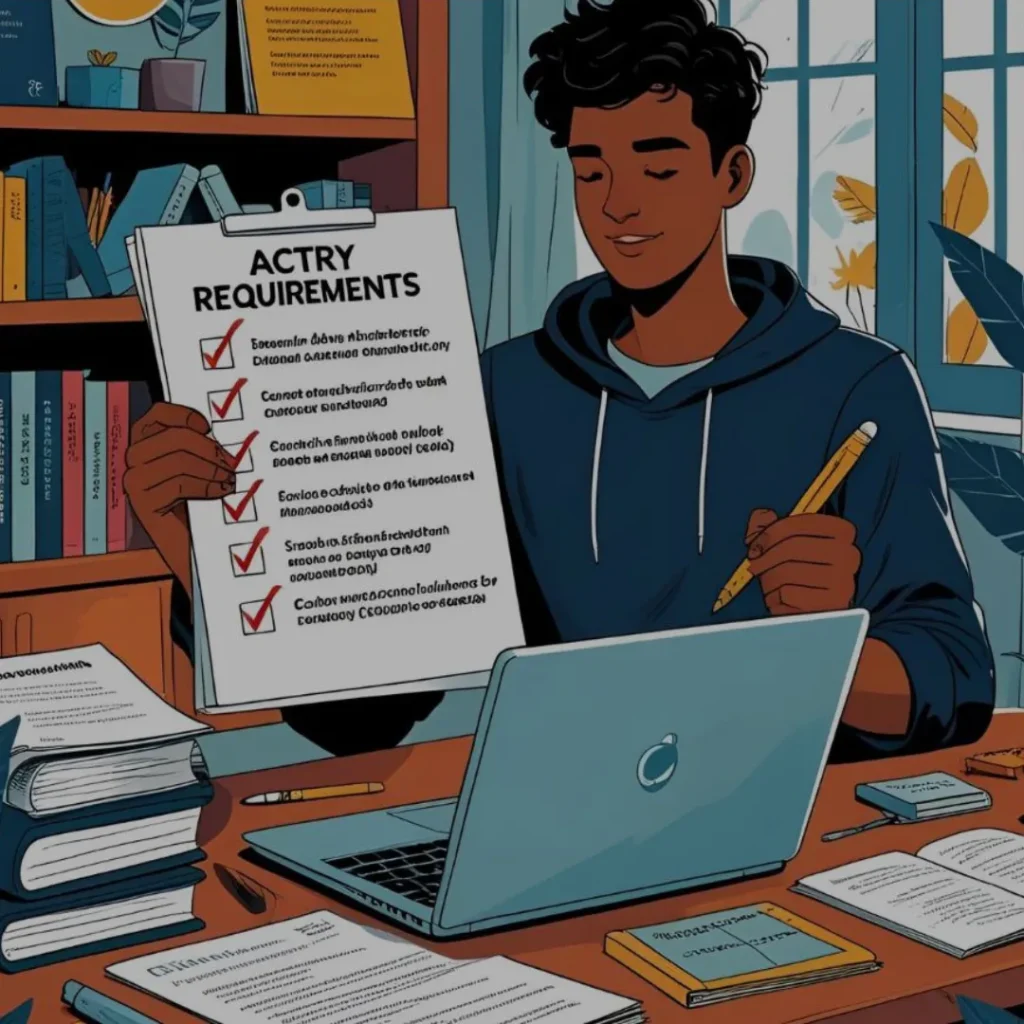
Entry Requirments

Entry Requirements for the LICQual ISO 14001:2026 EMS (Environmental Management System) Transition Lead Implementer Course:

  • Educational Qualifications:Minimum high school diploma or equivalent; a degree in environmental science, engineering, or related field is preferred.
  • Professional Experience:Experience in environmental management, auditing, or ISO 14001 systems is recommended but not mandatory.
  • English Language Proficiency:Since the program is delivered in English, learners must show competence in reading, writing, and communication.

The LICQual ISO 14001:2026 EMS (Environmental Management System) Transition Lead Implementer Course in Personal Protective Equipment qualification consists of 6 mandatory units.
EMS Transition Strategy & Change Leadership
Aligning EMS with Updated Context & Strategic Direction
Updating Environmental Aspects & Lifecycle Controls
Operational Control Enhancements & Compliance Updates
AI-Driven Environmental Intelligence & Digital Transformation
Post-Transition Performance Evaluation & Continual Improvement

What you will Gain

EMS Transition Strategy & Change Leadership

  • Develop strategic plans for transitioning from ISO 14001:2015 to ISO 14001:2026 EMS.
  • Apply change leadership principles to drive organizational EMS adoption effectively.
  • Identify critical success factors for EMS transition projects.
  • Evaluate risk management approaches to support smooth EMS implementation.
  • Establish governance mechanisms for monitoring and sustaining EMS change initiatives.
  • Integrate stakeholder engagement strategies to enhance EMS adoption and compliance.

Aligning EMS with Updated Context & Strategic Direction

  • Assess the organization’s context to align EMS with ISO 14001:2026 requirements.
  • Integrate strategic environmental objectives with business goals and operational priorities.
  • Apply risk-based thinking to link EMS initiatives with organizational strategy.
  • Analyze regulatory, sustainability, and climate-related impacts on EMS planning.
  • Develop mechanisms to align internal policies and procedures with updated EMS standards.
  • Monitor organizational alignment through audits, reviews, and performance metrics.

Updating Environmental Aspects & Lifecycle Controls

  • Identify and evaluate environmental aspects and impacts under ISO 14001:2026.
  • Apply lifecycle thinking to improve environmental performance and sustainability.
  • Update operational controls to address new risks and regulatory requirements.
  • Develop monitoring and measurement systems to track environmental impacts.
  • Implement strategies to reduce environmental footprint across products and services.
  • Integrate data-driven insights for continuous improvement of lifecycle management.

Operational Control Enhancements & Compliance Updates

  • Strengthen operational procedures to ensure compliance with updated EMS standards.
  • Implement risk-based operational controls for improved environmental performance.
  • Develop documentation and reporting systems aligned with ISO 14001:2026.
  • Evaluate compliance gaps and corrective action mechanisms effectively.
  • Apply audit-ready techniques for verifying operational control effectiveness.
  • Integrate continuous improvement practices into operational processes.

AI-Driven Environmental Intelligence & Digital Transformation

  • Utilize AI tools to monitor and analyze environmental performance data.
  • Implement digital platforms for EMS auditing, reporting, and compliance tracking.
  • Apply predictive analytics for risk identification and proactive environmental management.
  • Enhance traceability and decision-making through AI-enabled data visualization.
  • Integrate automated monitoring systems for energy, emissions, and resource efficiency.
  • Leverage digital transformation to support sustainability, regulatory alignment, and EMS optimization.

Post-Transition Performance Evaluation & Continual Improvement

  • Conduct performance evaluations to verify EMS effectiveness post-transition.
  • Analyze audit results and environmental data to identify improvement opportunities.
  • Implement corrective and preventive actions based on performance gaps.
  • Establish key performance indicators (KPIs) for continual EMS enhancement.
  • Develop sustainability reporting frameworks aligned with ISO 14001:2026.
  • Foster a culture of continuous improvement and long-term EMS resilience.

Want to know more?

Gain skills to manage EMS transitions, conduct audits, ensure ISO 14001 compliance, and enhance environmental performance.

Typically 3–5 days, combining theory, practical exercises, and case studies.

It helps organizations reduce environmental impact, comply with regulations, and improve sustainability and stakeholder confidence.

Yes, participants earn the LICQual ISO 14001:2026 EMS Transition Lead Implementer Certificate, recognized for EMS implementation and auditing expertise.

Yes, online sessions with interactive exercises, case studies, and assessments are available.

Lock In Your Spot

Similar Posts