LICQual Level 5 Diploma

Environmental Sustainability Management

Awarding Body

LICQual

Credits

60 Credits

Course

Environmental Sustainability Management

study mode

Online Learning

Course overview

The LicQual Level 5 Diploma in Environmental Sustainability Management is designed for professionals who wish to develop advanced expertise and strategic leadership skills in environmental and sustainability management. This qualification expands on prior learning and provides an in-depth understanding of complex environmental legislation, international regulatory frameworks, and global sustainability standards. Learners gain the knowledge required to influence organisational policy, drive sustainability strategy, and ensure effective environmental governance across operations.

Throughout the programme, learners develop high-level practical and analytical skills to manage environmental performance and lead sustainability initiatives. Key areas of study include strategic environmental impact assessment, climate change mitigation, sustainable resource and energy optimisation, and advanced environmental risk management. The course also focuses on sustainability reporting, performance measurement, continuous improvement systems, and leading environmental audits. Applied projects and real-world case studies enable learners to evaluate complex challenges and implement innovative, evidence-based solutions.

This qualification is ideal for environmental managers, sustainability leaders, consultants, and senior professionals responsible for environmental strategy and compliance. Graduates are equipped to design and implement sustainability frameworks, manage regulatory obligations, and lead organisational change. The Level 5 Diploma provides a strong progression route to higher academic or professional qualifications and supports career advancement into senior management, sustainability leadership, and consultancy roles within diverse sectors.

Approved Training centre of LICQual Uk

Centre # : ATC24002
Entry Requirments

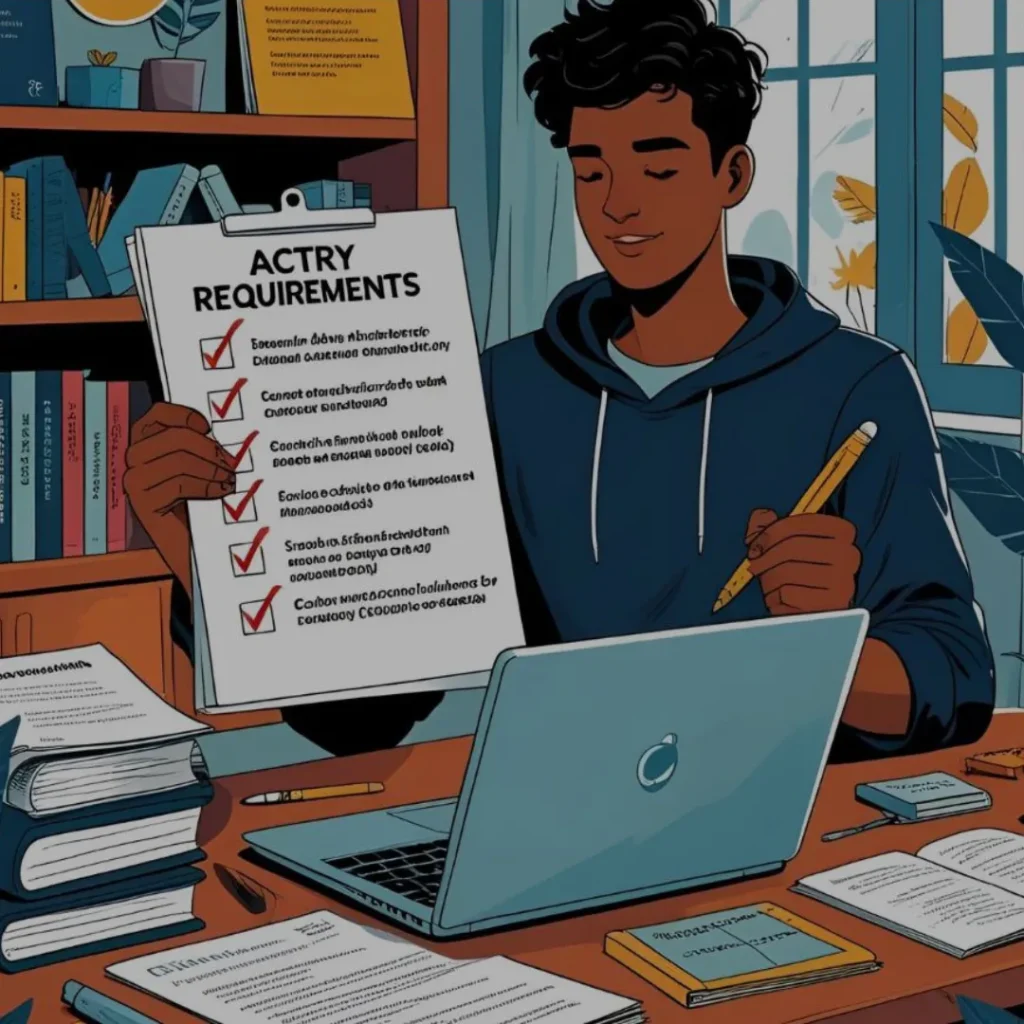
Entry Requirements for the LicQual Level 5 Diploma in Environmental Sustainability Management:

  • Educational Qualifications:A Level 4 qualification or equivalent in environmental management, sustainability, or a related field is recommended.
  • Professional Experience:Relevant professional experience in environmental or sustainability management roles is preferred for effective participation.
  • English Language Proficiency:Since the program is delivered in English, learners must show competence in reading, writing, and communication.

The LicQual Level 5 Diploma in Environmental Sustainability Management in Personal Protective Equipment qualification consists of 8 mandatory units.

The LicQual Level 5 Diploma in Environmental Sustainability Management consists of 8 mandatory units which are as follows.

  • Environmental Sustainability Principles and Concepts
  • Sustainable Development Strategies
  • Environmental Policy and Legislation
  • Environmental Impact Assessment
  • Sustainable Resource Management
  • Climate Change Mitigation and Adaptation
  • Corporate Social Responsibility
  • Green Technology and Innovation

What you will Gain

1. Environmental Sustainability Principles and Concepts

  • Understand Core Principles: Comprehend the foundational principles of environmental sustainability, including ecosystems, biodiversity, and the interdependence between human activities and the environment.
  • Analyze Sustainability Concepts: Analyze key concepts such as sustainable development, ecological footprint, and environmental ethics.
  • Evaluate Sustainability Models: Evaluate different sustainability models and frameworks, and their applications in various contexts.

2. Sustainable Development Strategies

  • Develop Sustainable Strategies: Learn to create and implement strategies that promote sustainable development in various sectors.
  • Assess Strategic Impacts: Assess the environmental, social, and economic impacts of different development strategies.
  • Integrate Sustainability Goals: Integrate global sustainability goals, such as the United Nations Sustainable Development Goals (SDGs), into organizational strategies.

3. Environmental Policy and Legislation

  • Understand Policy Frameworks: Gain a thorough understanding of national and international environmental policies, laws, and regulations.
  • Analyze Legal Requirements: Analyze the legal requirements for environmental protection and sustainable practices.
  • Advocate for Policy Changes: Learn how to advocate for and contribute to the development of new environmental policies and legislative frameworks.

4. Environmental Impact Assessment

  • Conduct Assessments: Develop the skills to conduct comprehensive environmental impact assessments (EIAs) for various projects and activities.
  • Mitigate Environmental Impacts: Identify and implement measures to mitigate negative environmental impacts.
  • Report Findings: Learn to prepare and present detailed EIA reports to stakeholders, including regulatory authorities and the public.

5. Sustainable Resource Management

  • Efficient Resource Use: Understand how to manage natural resources efficiently to minimize waste and environmental degradation.
  • Apply Conservation Techniques: Apply conservation techniques and practices to protect and sustainably manage resources like water, energy, and raw materials.
  • Develop Management Plans: Create sustainable resource management plans that balance economic, social, and environmental considerations.

6. Climate Change Mitigation and Adaptation

  • Understand Climate Science: Gain a comprehensive understanding of the science behind climate change, including its causes and effects.
  • Mitigation Strategies: Develop strategies to reduce greenhouse gas emissions and mitigate the impacts of climate change.
  • Adaptation Planning: Learn to design and implement adaptation plans to help communities and organizations cope with the impacts of climate change.

7. Corporate Social Responsibility

  • Implement CSR Programs: Learn to design and implement corporate social responsibility (CSR) programs that align with organizational goals and values.
  • Engage Stakeholders: Understand how to engage with stakeholders to promote and support CSR initiatives.
  • Measure CSR Impact: Develop the ability to measure and report on the impact of CSR activities on the environment and society.

8. Green Technology and Innovation

  • Identify Green Technologies: Identify and evaluate emerging green technologies that can support sustainable practices.
  • Promote Innovation: Foster a culture of innovation that prioritizes the development and implementation of environmentally friendly technologies.
  • Integrate Green Solutions: Learn to integrate green technology solutions into business operations to improve sustainability and efficiency.

Want to know more?

This course is ideal for environmental managers, sustainability leaders, consultants, and senior professionals responsible for driving environmental strategy within organisations.

Learners study strategic environmental impact assessment, climate change mitigation, sustainable resource and energy management, environmental risk management, sustainability reporting, and organisational compliance strategies.

Graduates can pursue roles such as environmental manager, sustainability consultant, senior compliance officer, or sustainability strategy leader.

Yes, successful learners can advance to professional certifications, postgraduate studies, or specialised leadership programmes in environmental sustainability.

Many training providers offer the Level 5 Diploma via online, blended, or classroom-based learning to suit working professionals.

Lock In Your Spot

Similar Posts