OSHAA 30-Hours Professional Diploma

QA/QC Piping and Welding Inspector

Awarding Body

OSHAA

Duration

30 Hours

Course Type

QA/QC

study mode

Online Learning

Course overview

The OSHAA 30-Hours Professional Diploma in QA/QC Piping and Welding Inspector is a focused and industry-relevant qualification developed for professionals seeking to strengthen their expertise in quality assurance, quality control, and inspection of piping and welding activities. It is ideally suited to individuals working or aspiring to work in sectors such as oil and gas, power generation, construction, petrochemicals, and manufacturing, where strict quality requirements and safety compliance are essential.

This diploma delivers a balanced combination of theoretical knowledge and practical insight into modern QA/QC practices. Learners gain a detailed understanding of welding inspection methods, piping systems, material selection, inspection procedures, testing techniques, and quality documentation. The programme also emphasises compliance with internationally recognised standards and codes, including ASME, API, AWS, and ISO, ensuring participants are aligned with global industry expectations.

A key strength of this qualification is the integration of OSHA-based safety principles alongside technical QA/QC training. This dual approach enables learners to not only assess quality and workmanship but also identify and manage workplace safety risks effectively, enhancing professional competence and employability.
OSHAA

satellite centre of Paradigm Us

For OSHAA Qualifications

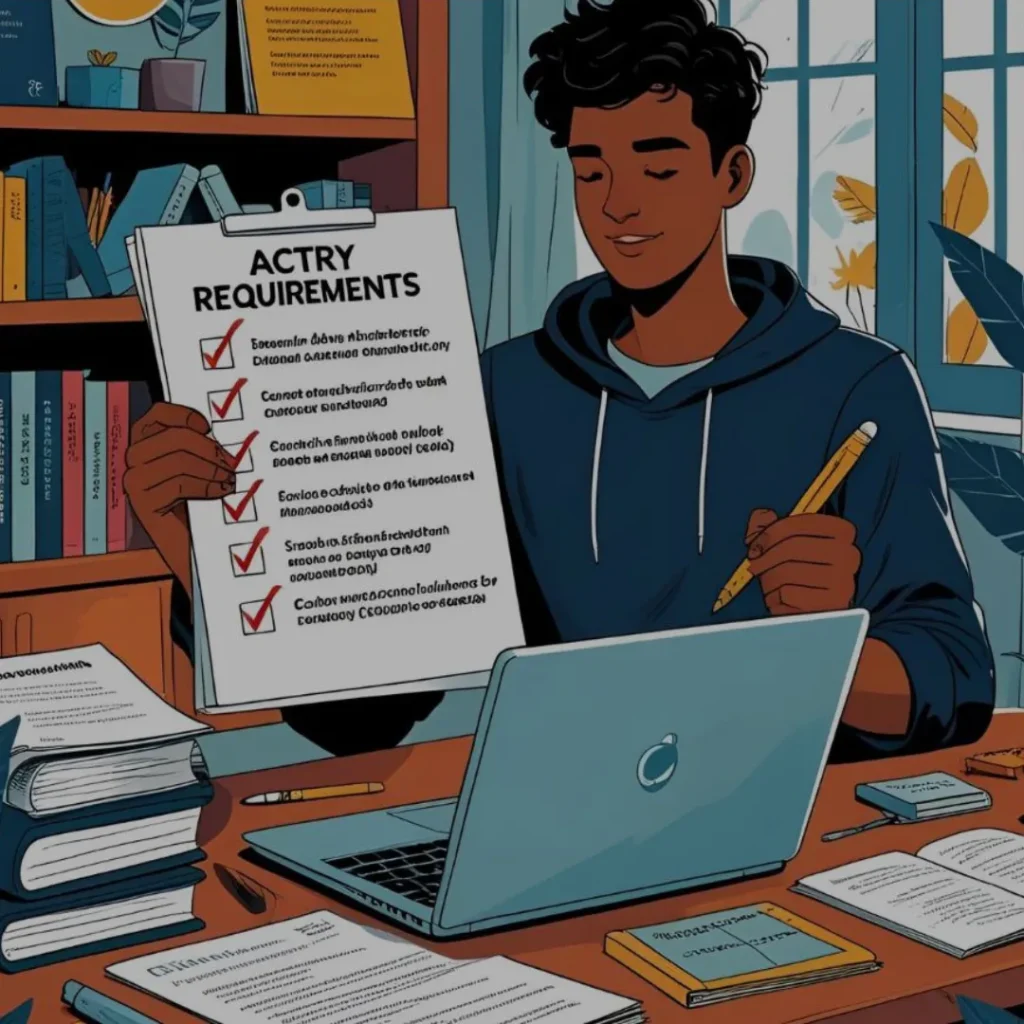
Entry Requirments

Entry Requirements for the OSHAA 30-Hours Professional Diploma in QA/QC Piping and Welding Inspector:

  • Educational Qualifications:Candidates are expected to have a minimum of secondary school education or equivalent. A background in engineering, mechanical technology, welding, fabrication, metallurgy, or a related technical discipline is highly desirable.
  • Professional Experience:Prior experience in industries such as oil and gas, construction, power plants, petrochemicals, manufacturing, or heavy engineering is strongly recommended.
  • English Language Proficiency:Since the program is delivered in English, learners must show competence in reading, writing, and communication.

The OSHAA 30-Hours Professional Diploma in QA/QC Piping and Welding Inspector qualification consists of 9 mandatory units.


The OSHAA 30-Hours Professional Diploma in QA/QC Piping and Welding Inspector consists of 9 mandatory units which are as follows.

  • Introduction to QA/QC in Piping and Welding Inspection (2 Hours)
  • Piping Materials, Components, and Fabrication Practices (3 Hours)
  • Welding Technology and Procedure Qualification (4 Hours)
  • International Standards and Codes: ASME, API, ISO (4 Hours)
  • Non-Destructive Testing (NDT): Methods and Field Applications (4 Hours)
  • Visual Inspection of Welds and Common Welding Defects (3 Hours)
  • Interpretation of Piping Isometrics and Engineering Drawings (5 Hours)
  • Inspection and Test Plans (ITPs) and Site Quality Procedures (3 Hours)
  • Quality Documentation: WPS, PQR, NDT Reports, and Logs (2 Hours)

What you will Gain

1. Introduction to QA/QC in Piping and Welding Inspection (2 Hours)

  • Understand the fundamental concepts of Quality Assurance (QA) and Quality Control (QC).
  • Recognize the roles and responsibilities of a QA/QC inspector in piping and welding projects.
  • Explain the importance of inspection in ensuring compliance, safety, and reliability.

2. Piping Materials, Components, and Fabrication Practices (3 Hours)

  • Identify different piping materials, grades, and their properties.
  • Understand the use of piping components such as valves, fittings, and flanges.
  • Explain fabrication processes and best practices for piping installation.

3. Welding Technology and Procedure Qualification (4 Hours)

  • Understand the principles of welding processes (SMAW, GTAW, GMAW, etc.).
  • Explain the requirements of Welding Procedure Specification (WPS) and Procedure Qualification Record (PQR).
  • Recognize key welding parameters that affect weld quality.

4. International Standards and Codes: ASME, API, ISO (4 Hours)

  • Interpret and apply international codes and standards relevant to piping and welding.
  • Understand compliance requirements of ASME, API, AWS, and ISO standards.
  • Apply code-based inspection techniques to practical situations.

5. Non-Destructive Testing (NDT): Methods and Field Applications (4 Hours)

  • Understand the principles of common NDT methods (UT, RT, MT, PT).
  • Apply NDT methods to detect defects in piping and welds.
  • Recognize the advantages and limitations of each NDT method.

6. Visual Inspection of Welds and Common Welding Defects (3 Hours)

  • Perform visual inspections of welds using standard techniques.
  • Identify common welding defects such as porosity, cracks, and undercuts.
  • Interpret acceptance criteria based on applicable codes and standards.

7. Interpretation of Piping Isometrics and Engineering Drawings (5 Hours)

  • Read and interpret piping isometric drawings and general arrangement drawings.
  • Identify symbols, dimensions, and specifications on engineering drawings.
  • Apply drawing interpretation to support inspection and fabrication activities.

8. Inspection and Test Plans (ITPs) and Site Quality Procedures (3 Hours)

  • Develop and implement Inspection and Test Plans (ITPs).
  • Understand site quality procedures and their application in projects.
  • Coordinate inspections to align with project timelines and standards.

9. Quality Documentation: WPS, PQR, NDT Reports, and Logs (2 Hours)

  • Prepare and review quality documentation including WPS, PQR, and ITPs.
  • Maintain inspection records, NDT reports, and quality logs.
  • Ensure proper documentation for regulatory compliance and client approval.

Want to know more?

This course is ideal for engineers, technicians, welding supervisors, quality inspectors, site supervisors, and professionals working in oil and gas, construction, power plants, and manufacturing sectors.

Learners gain knowledge of welding inspection techniques, piping systems, QA/QC documentation, testing methods, and compliance with international standards such as ASME, API, AWS, and ISO.

Basic technical or industrial experience is recommended, but prior QA/QC inspection experience is not mandatory.

The programme covers globally recognised standards including ASME, API, AWS, ISO, and OSHA safety guidelines.

Graduates can work as QA/QC Inspector, Welding Inspector, Piping Inspector, Quality Control Supervisor, or Site Quality Officer.

Lock In Your Spot

Similar Posts