LicQual Level 7 Diploma

Environmental Management

Awarding Body

LICQual

Credits

120 Credits

Course

Environmental Management

study mode

Online Learning

Course overview

The LicQual Level 7 Diploma in Environmental Management is an advanced professional qualification designed for individuals seeking expertise in managing environmental risks and promoting sustainable practices within organisations and communities. The programme focuses on environmental assessment, resource management, and the development of effective strategies to minimise ecological impact. Learners gain a thorough understanding of environmental legislation, regulatory frameworks, and best practices for maintaining compliance and sustainability across diverse operational contexts.

Throughout the course, participants develop skills in conducting comprehensive environmental audits, evaluating ecological risks, and implementing mitigation strategies. Key topics include environmental impact assessment, waste and resource management, pollution control, sustainability planning, and environmental reporting. Learners also explore advanced frameworks and practical tools for improving organisational environmental performance. Case studies and hands-on exercises provide opportunities to apply theoretical knowledge to real-world scenarios, enhancing decision-making and operational effectiveness in environmental management.

This diploma is ideal for environmental managers, sustainability officers, consultants, and professionals responsible for organisational environmental strategies. Graduates are equipped to lead environmental assessments, implement sustainable practices, monitor compliance, and drive continuous improvement in environmental performance. The Level 7 Diploma also serves as a pathway to higher-level qualifications and leadership roles in environmental management, sustainability, and corporate responsibility, supporting career advancement in strategic environmental and sustainability positions.

Approved Training centre of LICQual Uk

Centre # : ATC24002
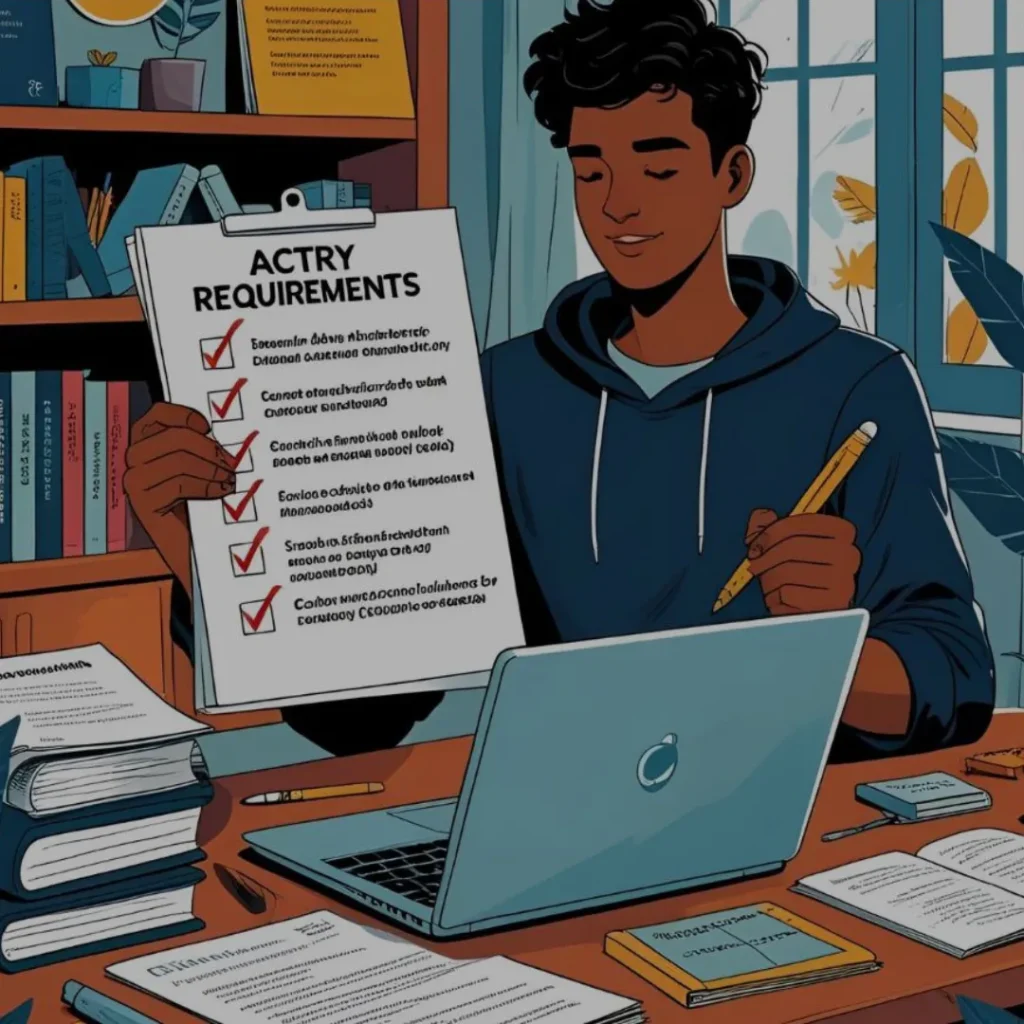
Entry Requirments

Entry Requirements for the LICQual Level 7 Diploma in Environmental Management:

  • Educational Qualifications:Level 6 qualification in environmental management, sustainability, or a related discipline.
  • Professional Experience:Minimum of two years’ practical experience in environmental management, sustainability, or a senior operational role.
  • English Language Proficiency:Since the program is delivered in English, learners must show competence in reading, writing, and communication.

The LICQual Level 7 Diploma in Environmental Management in Personal Protective Equipment qualification consists of 11 mandatory units.

The LicQual Level 7 Diploma in Environmental Management consists of 11 mandatory units which are as follows.

  • Sustainability and Environmental Systems
  • Environment Management – Decision Making
  • Global Environmental Issues
  • Environmental Auditing
  • Environmental Policy
  • Environmental Policy and Governance
  • Environmental Law
  • Managing Changes in Environment
  • Environmental Science Challenges
  • Environmental Perception and Public Awareness
  • Environmental Impact Assessment

What you will Gain

Sustainability and Environmental Systems

  1. Understanding Sustainability Principles: Grasp the core principles of sustainability and how they apply to environmental systems.
  2. Systems Thinking: Develop skills in systems thinking to analyze and manage complex environmental systems.
  3. Sustainable Practices: Learn to design and implement sustainable practices in various sectors, including energy, water, and waste management.
  4. Integrated Approaches: Understand the importance of integrating economic, social, and environmental considerations in sustainability planning.

Environmental Management – Decision Making

  1. Decision-Making Frameworks: Learn frameworks and methodologies for effective decision-making in environmental management.
  2. Risk Assessment: Develop skills in assessing and managing environmental risks.
  3. Strategic Planning: Understand strategic planning processes to address environmental challenges.
  4. Stakeholder Engagement: Learn techniques for engaging stakeholders in decision-making processes.

Global Environmental Issues

  1. Identification of Key Issues: Identify and analyze major global environmental issues such as climate change, biodiversity loss, and pollution.
  2. Impact Analysis: Evaluate the environmental, economic, and social impacts of global environmental problems.
  3. Global Governance: Understand the roles of international agreements and organizations in addressing global environmental issues.
  4. Mitigation Strategies: Develop strategies for mitigating and adapting to global environmental challenges.

Environmental Auditing

  1. Audit Principles: Understand the principles and practices of environmental auditing.
  2. Audit Process: Learn the steps involved in conducting an environmental audit, including planning, data collection, and reporting.
  3. Compliance Evaluation: Develop skills in evaluating compliance with environmental regulations and standards.
  4. Continuous Improvement: Understand the role of environmental auditing in promoting continuous improvement in environmental performance.

Environmental Policy

  1. Policy Development: Learn the process of developing environmental policies, including problem identification, policy design, and implementation.
  2. Policy Instruments: Understand various instruments of environmental policy, such as regulations, market-based approaches, and voluntary measures.
  3. Policy Evaluation: Develop skills in evaluating the effectiveness of environmental policies.
  4. Stakeholder Analysis: Understand the importance of engaging stakeholders in the policy-making process.

Environmental Policy and Governance

  1. Governance Structures: Understand the structures and processes of environmental governance at local, national, and international levels.
  2. Policy Implementation: Learn how environmental policies are implemented and enforced.
  3. Institutional Roles: Understand the roles of various institutions and organizations in environmental governance.
  4. Governance Challenges: Analyze the challenges and opportunities in environmental governance.

Environmental Law

  1. Legal Frameworks: Gain a comprehensive understanding of the origins, development, and principles of environmental law.
  2. Legal Instruments: Learn about key legal instruments, including statutes, regulations, treaties, and case law.
  3. Regulatory Agencies: Understand the roles and responsibilities of regulatory agencies in enforcing environmental laws.
  4. Case Studies: Analyze landmark environmental cases to understand their implications and the legal precedents they set.

Managing Changes in Environment

  1. Change Management: Learn the principles and practices of managing environmental changes.
  2. Adaptation Strategies: Develop strategies for adapting to environmental changes, including climate change and resource depletion.
  3. Impact Mitigation: Understand methods for mitigating the impacts of environmental changes.
  4. Resilience Building: Learn how to build resilience in communities and ecosystems facing environmental changes.

Environmental Science Challenges

  1. Current Challenges: Identify and analyze current challenges in environmental science.
  2. Innovative Solutions: Explore innovative solutions and technologies to address environmental challenges.
  3. Interdisciplinary Approaches: Understand the importance of interdisciplinary approaches in solving environmental problems.
  4. Research Skills: Develop advanced research skills to investigate and address environmental science challenges.

Environmental Perception and Public Awareness

  1. Perception Analysis: Understand how environmental issues are perceived by different stakeholders.
  2. Communication Strategies: Learn strategies for effectively communicating environmental information to the public.
  3. Behavioral Change: Explore methods for promoting behavioral change towards more sustainable practices.
  4. Public Engagement: Develop skills in engaging the public in environmental initiatives and decision-making processes.

Environmental Impact Assessment

  1. EIA Principles: Understand the principles and objectives of Environmental Impact Assessment (EIA).
  2. EIA Process: Learn the steps involved in conducting an EIA, including scoping, impact analysis, and reporting.
  3. Mitigation Measures: Develop skills in identifying and implementing mitigation measures to reduce environmental impacts.
  4. EIA Regulations: Understand the regulatory frameworks governing EIA and their application in different contexts.

Want to know more?

The course is ideal for environmental managers, sustainability officers, consultants, and professionals responsible for overseeing organisational environmental strategies.

Key topics include environmental assessment, resource and waste management, pollution control, sustainability planning, environmental legislation, and reporting strategies.

Learners develop competency in conducting environmental audits, implementing sustainable practices, monitoring compliance, and leading organisational environmental strategies.

Yes, the LicQual Level 7 Diploma is an internationally recognised qualification in environmental management and sustainability leadership.

Graduates can advance to roles such as environmental manager, sustainability consultant, compliance officer, or strategic sustainability leader.

Lock In Your Spot

Similar Posts