LicQual Level 5 Diploma

Environmental Management

Awarding Body

LICQual

Credits

60 Credits

Course

Environmental Management

study mode

Online Learning

Course overview

The LicQual Level 5 Diploma in Environmental Management is a professional qualification designed for individuals seeking to enhance their practical skills in managing environmental risks and promoting sustainable practices within organisations. The programme equips learners with essential knowledge of environmental legislation, compliance requirements, and industry best practices. It focuses on key areas such as environmental assessment, resource efficiency, and strategies to reduce ecological impact, helping participants develop a solid foundation in sustainable management.

Throughout the course, learners gain hands-on experience in conducting environmental audits, assessing risks, and implementing effective mitigation strategies. Core topics include environmental impact assessment, waste and resource management, pollution control, sustainability planning, and environmental reporting. Practical exercises and real-world case studies enable participants to apply theoretical knowledge to operational scenarios, strengthening decision-making skills and enhancing organisational environmental performance.

This diploma is ideal for environmental officers, sustainability coordinators, consultants, and other professionals responsible for implementing environmental initiatives. Graduates are prepared to support compliance, lead audits, monitor environmental performance, and drive continuous improvement in sustainability practices. The Level 5 Diploma also provides a pathway to higher-level qualifications in environmental management, opening opportunities for career progression in strategic and operational roles within environmental and sustainability sectors.

Approved Training centre of LICQual Uk

Centre # : ATC24002
Entry Requirments

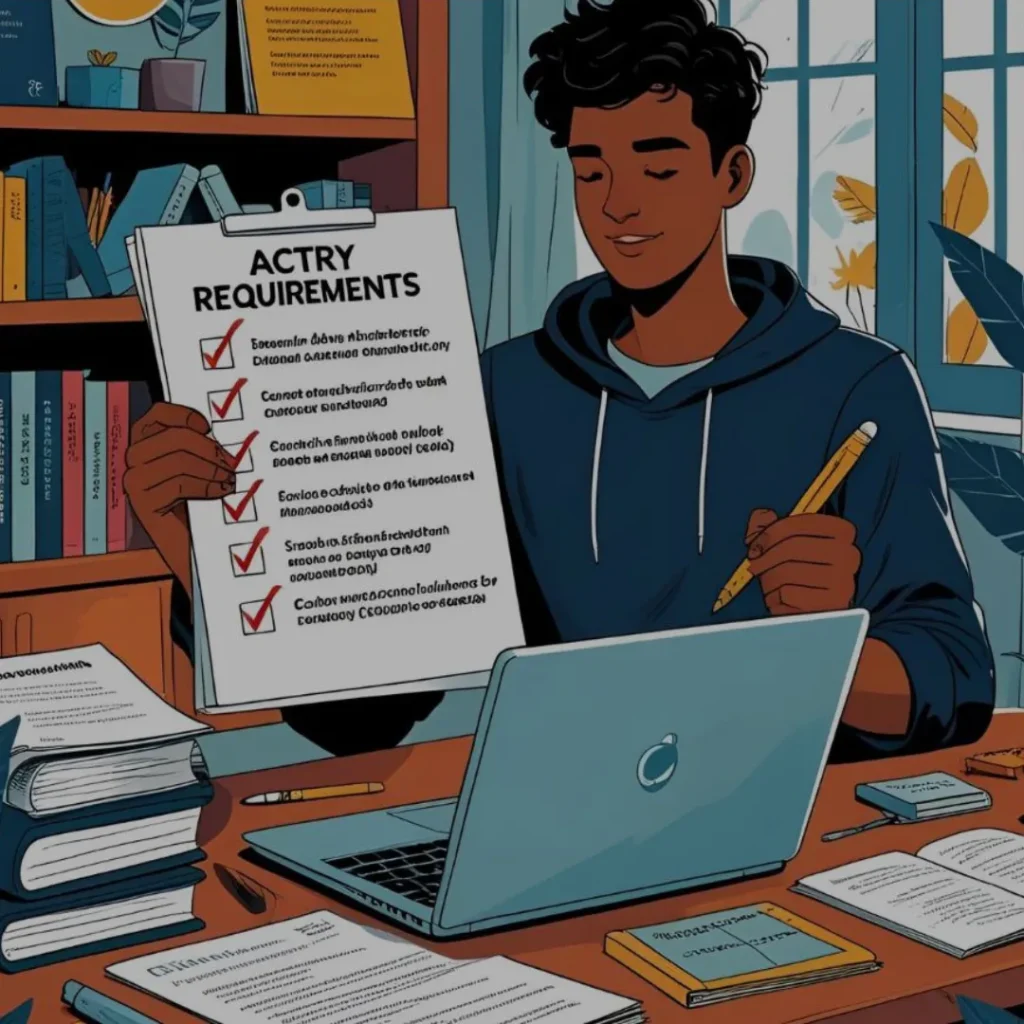
Entry Requirements for the LicQual Level 5 Diploma in Environmental Management:

  • Educational Qualifications:Minimum of a Level 3 qualification in a related subject or an equivalent qualification.
  • Professional Experience:Relevant work experience in environmental management, sustainability, or related fields is desirable but not mandatory.
  • English Language Proficiency:Since the program is delivered in English, learners must show competence in reading, writing, and communication.

The LicQual Level 5 Diploma in Environmental Management in Personal Protective Equipment qualification consists of 8 mandatory units.

The LicQual Level 5 Diploma in Environmental Management consists of 8 mandatory units which are as follows.

  • Environmental Management
  • Global Environmental Issues
  • Environmental Law
  • Environmental Policy
  • Research Design and Methodology
  • Freshwater Ecology
  • Conservation Biology
  • Geographic Information Systems

What you will Gain

Environmental Management

  • Principles and Concepts: Understand the core principles and concepts of environmental management, including sustainable development and resource efficiency.
  • Management Practices: Develop and implement effective environmental management practices in various contexts.
  • Strategic Planning: Create strategic plans for managing environmental resources and mitigating environmental impacts.
  • Environmental Auditing: Conduct environmental audits and assessments to ensure compliance with regulations and standards.

Global Environmental Issues

  • Climate Change: Analyze the causes and consequences of climate change and explore mitigation and adaptation strategies.
  • Biodiversity Loss: Understand the drivers of biodiversity loss and develop conservation strategies to protect ecosystems.
  • Pollution and Waste: Evaluate the sources and impacts of pollution and waste, and propose solutions for reduction and management.
  • Resource Depletion: Examine global patterns of resource depletion and develop sustainable resource management practices.

Environmental Law

  • Legal Frameworks: Understand the fundamental principles and structures of environmental law at local, national, and international levels.
  • Regulations and Compliance: Analyze key environmental regulations and compliance requirements for different industries and sectors.
  • Policy Development: Develop and advocate for policies that promote environmental protection and sustainability.
  • Legal Case Studies: Examine legal case studies to understand the application and implications of environmental law.

Environmental Policy

  • Policy Analysis: Understand the process of environmental policy analysis, including the evaluation of policy effectiveness.
  • Policy Instruments: Explore various policy instruments, such as regulations, incentives, and market-based mechanisms, used to address environmental issues.
  • Stakeholder Engagement: Develop skills in engaging and collaborating with stakeholders in the policy-making process.
  • Policy Implementation: Implement environmental policies and assess their impact on environmental outcomes.

Research Design and Methodology

  • Research Methods: Understand qualitative and quantitative research methods used in environmental studies.
  • Research Design: Develop sound research designs, including the formulation of research questions, hypotheses, and objectives.
  • Data Collection and Analysis: Learn techniques for collecting and analyzing environmental data.
  • Scientific Reporting: Communicate research findings effectively through scientific reports and presentations.

Freshwater Ecology

  • Aquatic Ecosystems: Understand the structure and function of freshwater ecosystems, including rivers, lakes, and wetlands.
  • Ecological Processes: Analyze key ecological processes, such as nutrient cycling and energy flow, in freshwater environments.
  • Biodiversity and Conservation: Study the biodiversity of freshwater ecosystems and develop strategies for their conservation.
  • Water Quality Management: Assess water quality and develop management practices to protect and restore freshwater resources.

Conservation Biology

  • Biodiversity Principles: Understand the principles of biodiversity and the importance of conserving biological diversity.
  • Threats to Biodiversity: Analyze the primary threats to biodiversity, including habitat destruction, climate change, and invasive species.
  • Conservation Strategies: Develop and implement effective conservation strategies to protect species and ecosystems.
  • Conservation Ethics: Explore the ethical considerations and values underpinning conservation efforts.

Geographic Information Systems (GIS)

  • GIS Fundamentals: Understand the basic principles and functionalities of geographic information systems.
  • Spatial Data Analysis: Learn techniques for analyzing spatial data to address environmental and resource management issues.
  • Mapping and Visualization: Develop skills in creating maps and visualizing spatial data to communicate environmental information.
  • GIS Applications: Apply GIS technologies to real-world problems in environmental management, conservation, and urban planning.

Want to know more?

This course is ideal for environmental officers, sustainability coordinators, consultants, and professionals responsible for implementing environmental strategies and improving organisational sustainability.

Key topics include environmental impact assessment, waste and resource management, pollution control, sustainability planning, environmental reporting, and practical frameworks to improve organisational performance.

Graduates can lead environmental audits, implement sustainable practices, monitor compliance, and progress to higher-level qualifications or strategic environmental roles.

The course combines theory with practical exercises, case studies, and real-world scenarios to enhance decision-making and operational effectiveness.

Yes, it provides a pathway to Level 6 qualifications and advanced roles in environmental management and sustainability leadership.

Lock In Your Spot

Similar Posts