LicQual Level 3 International Diploma

Disaster Management

Awarding Body

LICQual

Credits

120 Credits

Course

Disaster Management

study mode

Online Learning

Course overview

The LICQual Level 3 International Diploma in Disaster Management is a professional qualification designed to equip learners with the knowledge, skills, and confidence required to effectively respond to and manage disasters in various organisational and community settings. The course focuses on developing expertise in disaster preparedness, risk assessment, emergency response, and recovery planning. Learners gain insight into disaster management frameworks, mitigation strategies, ethical considerations, and the roles of governmental and non-governmental organisations in managing crises.

Throughout the programme, learners build practical and analytical skills essential for disaster management roles. Key areas of study include hazard identification, risk assessment, emergency planning, resource management, and crisis communication. The course also covers incident command systems, disaster response coordination, evaluation of disaster impacts, and the development of recovery strategies. These skills enable learners to plan and implement effective disaster response measures while minimising risks to life, property, and infrastructure.

This diploma is ideal for emergency response personnel, community leaders, safety officers, and professionals seeking to strengthen their disaster management capabilities. Graduates will be able to assess risks, develop disaster preparedness plans, coordinate emergency response efforts, and support recovery initiatives. The qualification also provides a pathway to further professional development in emergency management, humanitarian assistance, and leadership roles in disaster and crisis management contexts.

Approved Training centre of LICQual Uk

Centre # : ATC24002
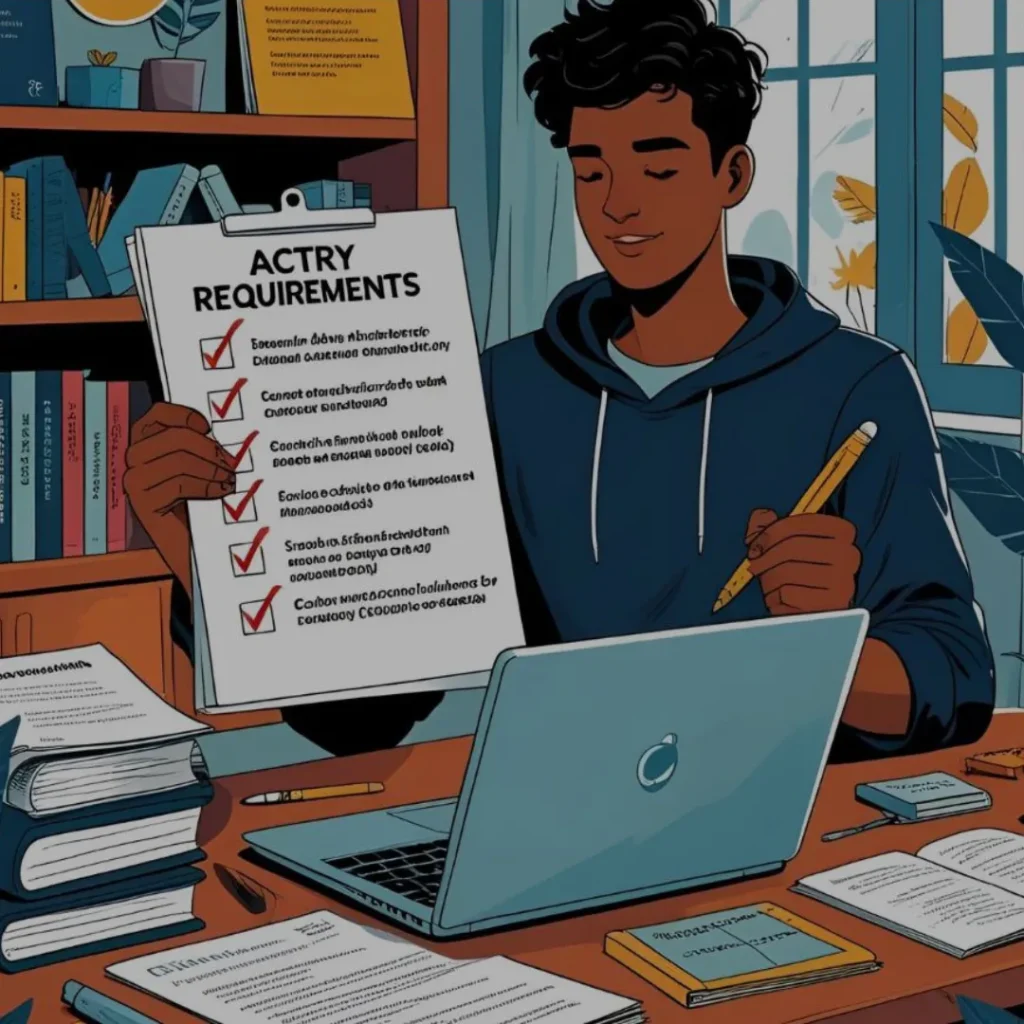
Entry Requirments

Entry Requirements for the LicQual Level 3 International Diploma in Disaster Management:

  • Educational Qualifications:A recognised Level 2 qualification or equivalent in emergency management, public safety, or a related field.
  • Professional Experience:Relevant experience in disaster management, emergency response, safety, or community coordination is recommended.
  • English Language Proficiency:Since the program is delivered in English, learners must show competence in reading, writing, and communication.

The LicQual Level 3 International Diploma in Disaster Management in Personal Protective Equipment qualification consists of 6 mandatory units.

The LicQual Level 3 International Diploma in Disaster Management consists of 6 mandatory units which are as follows.

  • Disaster Management: A Helicopter View
  • Disaster Mitigation
  • Disaster Preparedness
  • Disasters Response
  • Disaster Recovery
  • Information Technology in Disaster Management

What you will Gain

Disaster Management: A Helicopter View

  1. Comprehensive Understanding:
    • Gain a broad overview and understanding of disaster management as a multidisciplinary field.
    • Explore the historical evolution, theoretical frameworks, and global perspectives of disaster management.
  2. Interdisciplinary Approach:
    • Integrate knowledge from various disciplines such as emergency management, public health, environmental science, sociology, and economics into disaster management practices.
    • Analyze the interconnectedness of different components in disaster management, including preparedness, response, recovery, and mitigation.
  3. Policy and Governance:
    • Understand the role of policies, regulations, and governance structures in shaping disaster management strategies and responses.
    • Evaluate the effectiveness of different policy frameworks and governance models in mitigating disaster risks and enhancing community resilience.

Disaster Mitigation

  1. Risk Assessment and Analysis:
    • Develop skills in identifying and assessing potential hazards and vulnerabilities that could lead to disasters.
    • Utilize risk assessment tools and methodologies to quantify risks and prioritize mitigation efforts.
  2. Mitigation Strategies:
    • Learn strategies and techniques to reduce or eliminate the impact of disasters on communities and infrastructure.
    • Implement measures for hazard mitigation, structural and non-structural mitigation, and land-use planning to minimize disaster risks.
  3. Community and Environmental Resilience:
    • Promote community engagement in disaster mitigation efforts through education, awareness, and participation.
    • Enhance environmental resilience by integrating sustainable practices and ecosystem-based approaches into disaster risk reduction strategies.

Disaster Preparedness

  1. Planning and Preparedness Strategies:
    • Develop and implement comprehensive disaster preparedness plans tailored to different types of disasters (natural, technological, societal).
    • Establish early warning systems, evacuation procedures, and contingency plans to enhance readiness and response capacity.
  2. Capacity Building:
    • Build organizational and community capacity to effectively respond to disasters through training, drills, and simulations.
    • Foster partnerships and collaboration among stakeholders to strengthen preparedness efforts at local, national, and international levels.
  3. Public Education and Awareness:
    • Educate and raise awareness among the public about disaster risks, preparedness measures, and emergency response protocols.
    • Promote proactive behaviors and resilience-building activities within communities to reduce vulnerability and enhance self-reliance.

Disaster Response

  1. Emergency Response Coordination:
    • Develop skills in coordinating and managing emergency response operations during disaster events.
    • Implement Incident Command Systems (ICS) and establish communication channels for effective decision-making and resource allocation.
  2. Humanitarian Assistance and Relief Operations:
    • Understand the principles and practices of humanitarian aid and relief operations in disaster-affected areas.
    • Coordinate logistics, distribution of supplies, and provision of essential services to meet the immediate needs of affected populations.
  3. Psychosocial Support and Crisis Management:
    • Provide psychosocial support and crisis intervention to survivors, responders, and affected communities.
    • Address the emotional and mental health impacts of disasters through counseling, trauma-informed care, and resilience-building activities.

Disaster Recovery

  1. Recovery Planning and Implementation:
    • Develop and implement comprehensive recovery plans to restore infrastructure, livelihoods, and community well-being post-disaster.
    • Coordinate long-term reconstruction efforts, economic recovery initiatives, and sustainable development projects.
  2. Resilience and Adaptation Strategies:
    • Foster community resilience through inclusive and participatory approaches to recovery planning and implementation.
    • Promote adaptive strategies that enhance community capacity to withstand future disasters and climate change impacts.
  3. Monitoring and Evaluation:
    • Establish monitoring and evaluation frameworks to assess the effectiveness and impact of recovery programs.
    • Use feedback mechanisms to learn from past experiences, improve response strategies, and build adaptive capacity for future disasters.

Information Technology in Disaster Management

  1. Technological Tools and Applications:
    • Explore the role of Information Technology (IT) and Geographic Information Systems (GIS) in disaster preparedness, response, and recovery.
    • Utilize IT platforms for data management, situational awareness, and real-time decision support during disaster events.
  2. Data Collection and Analysis:
    • Collect, analyze, and visualize spatial and non-spatial data to support risk assessment, damage assessment, and resource allocation.
    • Use data-driven insights to improve decision-making processes and optimize emergency response operations.
  3. Communication and Information Sharing:
    • Enhance communication networks and information sharing systems to facilitate collaboration among stakeholders, including government agencies, NGOs, and the public.
    • Ensure data security and privacy while maintaining accessibility and transparency in information exchange during disaster management activities.

Want to know more?

This course is ideal for emergency response personnel, community leaders, safety officers, disaster management professionals, and anyone involved in emergency planning or crisis response.

Key topics include hazard identification, risk assessment, disaster preparedness, emergency planning, incident response coordination, crisis communication, and recovery strategies.

Yes, this qualification is internationally recognised and aligned with professional standards in disaster management, emergency response, and crisis coordination.

This diploma equips learners with practical, career-focused skills to manage disasters effectively, enhance professional credibility, and support community and organisational resilience.

Graduates can pursue roles such as Disaster Response Officer, Emergency Planner, Safety Coordinator, Community Resilience Officer, or Crisis Management Professional.

Lock In Your Spot

Similar Posts