ICTQual AB Level 6 International Diploma

Environmental Engineering & Management

Awarding Body

ICTQual AB

Credits

360 Credits

Course

Management

study mode

Online Learning

Course overview

The ICTQual AB Level 6 International Diploma in Environmental Engineering & Management is designed for individuals seeking advanced knowledge and professional competence in managing environmental challenges across industrial and organisational settings. This qualification provides learners with a strong understanding of environmental engineering principles, environmental management systems, and sustainable development practices. It prepares professionals to work effectively within manufacturing, construction, energy, infrastructure, utilities, and other sectors where environmental performance and regulatory compliance are critical at both national and international levels.

Throughout the programme, learners develop advanced analytical, technical, and decision-making skills essential for effective environmental management. Key areas of study include environmental impact assessment, pollution prevention and control, waste and water management, environmental risk assessment, climate change mitigation, and environmental legislation. The course also emphasises sustainability strategies, resource efficiency, environmental audits, and the application of international standards to support responsible and compliant operations.

This diploma is ideal for aspiring environmental engineers, environmental managers, sustainability officers, compliance professionals, and those seeking career progression in environmental management. Graduates gain the competence to design and implement environmental management systems, manage environmental risks, and support organisational sustainability goals. The Level 6 qualification also offers progression pathways to postgraduate study, professional certifications, and senior roles in environmental engineering, sustainability, and environmental leadership within global organisations.

ICTQual AB

Approved Training centre of ICTQual AB

Centre # : ATC24001
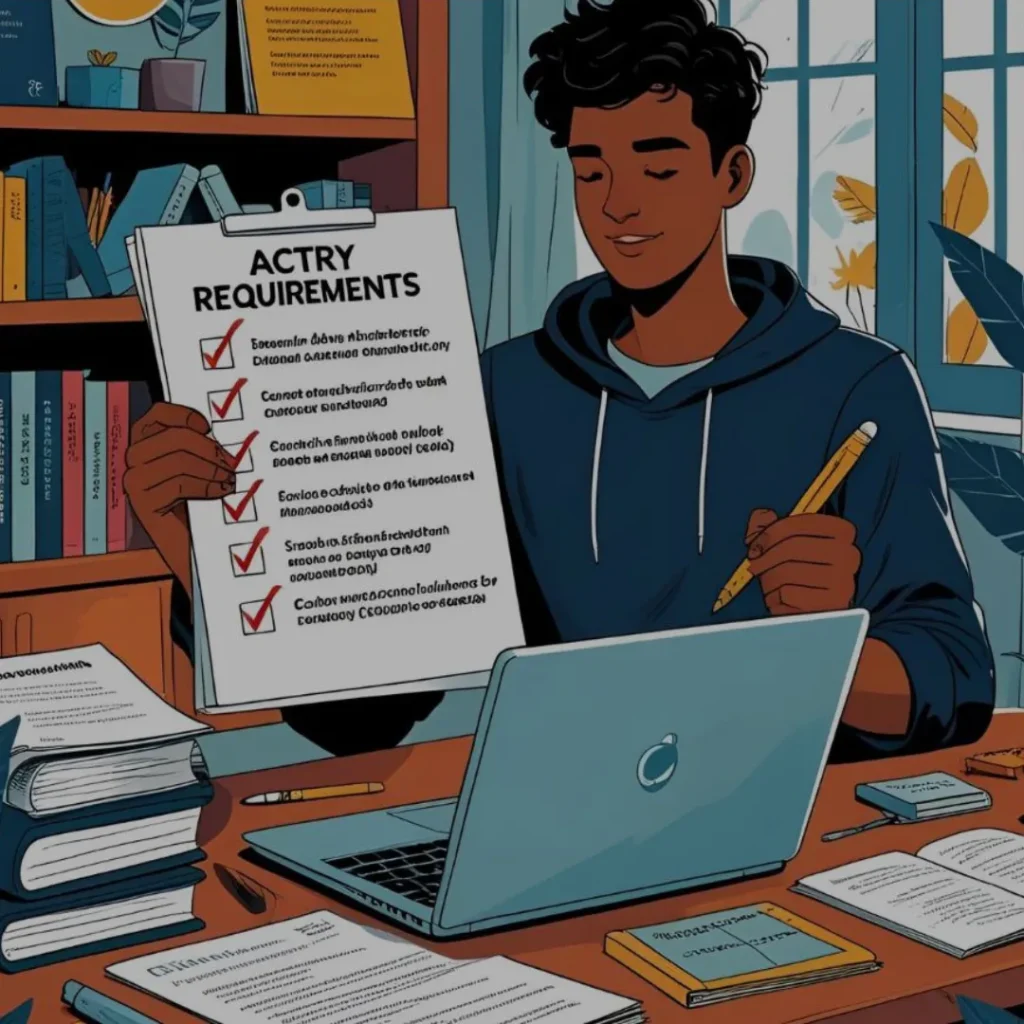
Entry Requirments

Entry Requirements for the ICTQual AB Level 6 International Diploma in Environmental Engineering & Management:

  • Educational Qualifications:A Level 5 qualification or equivalent in environmental science, engineering, health & safety, or a related discipline.
  • Professional Experience:Relevant work experience in environmental management, engineering, sustainability, or industrial operations is preferred.
  • English Language Proficiency:Since the program is delivered in English, learners must show competence in reading, writing, and communication.

The ICTQual AB Level 6 International Diploma in Environmental Engineering & Management in Personal Protective Equipment qualification consists of 36 mandatory units.
Year 1 – Foundation of Environmental Engineering & Management

  1. Principles of Environmental Engineering
  2. Introduction to Environmental Science and Sustainability
  3. Environmental Legislation and Regulatory Compliance
  4. Environmental Impact Assessment (EIA) Fundamentals
  5. Waste Management and Pollution Control
  6. Water Quality Management and Treatment
  7. Air Quality Monitoring and Control
  8. Soil and Groundwater Protection
  9. Renewable Energy Systems and Applications
  10. Occupational Health, Safety, and Environmental Awareness
  11. Communication and Reporting in Environmental Management
  12. Professional Ethics and Responsibility in Environmental Practice

Year 2 – Applied Environmental Engineering & Management

  1. Advanced Environmental Risk Assessment
  2. Industrial Wastewater and Effluent Management
  3. Solid and Hazardous Waste Engineering
  4. Environmental Monitoring and Audit Techniques
  5. Sustainable Resource Management and Conservation
  6. Climate Change Mitigation and Adaptation Strategies
  7. Environmental Modelling and Data Analysis
  8. Green Building and Sustainable Infrastructure
  9. Environmental Management in Manufacturing and Energy Sectors
  10. Behavioural and Organisational Approaches to Environmental Safety
  11. Digital Tools and Technologies in Environmental Engineering
  12. Research Methods and Environmental Project Planning

Year 3 – Strategic Environmental Leadership & Management

  1. Strategic Environmental Management and Governance
  2. Integrated Environmental Management Systems (ISO 14001, ISO 50001)
  3. Environmental Policy Development and Implementation
  4. Sustainability Leadership and Corporate Social Responsibility (CSR)
  5. Environmental Risk Management in Large-Scale Projects
  6. Renewable Energy Project Management
  7. International Environmental Standards and Best Practices
  8. Environmental Innovation and Emerging Technologies
  9. Environmental Crisis Management and Emergency Planning
  10. Advanced Occupational Health & Environmental Wellbeing Strategies
  11. Independent Research Project in Environmental Engineering
  12. Capstone Project: Applied Environmental Engineering & Management

What you will Gain

Year 1 – Foundation of Environmental Engineering & Management

1. Principles of Environmental Engineering

  • Explain the core concepts and principles of environmental engineering.
  • Analyse engineering solutions to address environmental challenges.

2. Introduction to Environmental Science and Sustainability

  • Describe fundamental environmental science concepts.
  • Evaluate sustainability principles in industrial and urban contexts.

3. Environmental Legislation and Regulatory Compliance

  • Interpret key environmental laws, regulations, and standards.
  • Assess organisational compliance with legal requirements.

4. Environmental Impact Assessment (EIA) Fundamentals

  • Conduct basic environmental impact assessments.
  • Identify environmental risks and propose mitigation strategies.

5. Waste Management and Pollution Control

  • Examine techniques for managing solid, liquid, and hazardous waste.
  • Recommend methods to reduce environmental pollution.

6. Water Quality Management and Treatment

  • Monitor and analyse water quality parameters.
  • Apply treatment processes to maintain safe water standards.

7. Air Quality Monitoring and Control

  • Identify major air pollutants and their sources.
  • Develop strategies to monitor and control air quality in industrial settings.

8. Soil and Groundwater Protection

  • Assess risks to soil and groundwater resources.
  • Recommend protection and remediation measures.

9. Renewable Energy Systems and Applications

  • Explain the principles of renewable energy technologies.
  • Evaluate their application in reducing environmental impact.

10. Occupational Health, Safety, and Environmental Awareness

  • Identify workplace environmental and safety hazards.
  • Apply preventive measures to maintain a safe work environment.

11. Communication and Reporting in Environmental Management

  • Produce clear reports and documentation for environmental compliance.
  • Communicate technical information effectively to stakeholders.

12. Professional Ethics and Responsibility in Environmental Practice

  • Apply ethical principles in environmental engineering decisions.
  • Demonstrate professional responsibility in project implementation.

Year 2 – Applied Environmental Engineering & Management

1. Advanced Environmental Risk Assessment

  • Conduct comprehensive environmental risk assessments.
  • Develop risk mitigation plans for complex industrial processes.

2. Industrial Wastewater and Effluent Management

  • Analyse industrial wastewater characteristics.
  • Design and evaluate treatment systems to meet environmental standards.

3. Solid and Hazardous Waste Engineering

  • Implement engineering solutions for hazardous and solid waste management.
  • Ensure compliance with environmental regulations.

4. Environmental Monitoring and Audit Techniques

  • Design monitoring programmes for air, water, and soil quality.
  • Conduct environmental audits and assess organisational performance.

5. Sustainable Resource Management and Conservation

  • Evaluate strategies for efficient resource utilisation.
  • Develop plans to conserve natural resources in industrial operations.

6. Climate Change Mitigation and Adaptation Strategies

  • Analyse climate change impacts on industrial and urban environments.
  • Design strategies to mitigate and adapt to climate-related risks.

7. Environmental Modelling and Data Analysis

  • Apply quantitative techniques to model environmental systems.
  • Interpret data to inform decision-making and project planning.

8. Green Building and Sustainable Infrastructure

  • Evaluate sustainable design principles for buildings and infrastructure.
  • Apply environmental engineering solutions to reduce ecological impact.

9. Environmental Management in Manufacturing and Energy Sectors

  • Identify environmental risks in manufacturing and energy production.
  • Implement sector-specific environmental management practices.

10. Behavioural and Organisational Approaches to Environmental Safety

  • Analyse human factors influencing environmental compliance.
  • Develop strategies to promote a positive environmental culture.

11. Digital Tools and Technologies in Environmental Engineering

  • Utilise software and digital tools for environmental monitoring and management.
  • Assess technological solutions for environmental problem-solving.

12. Research Methods and Environmental Project Planning

  • Design and plan environmental projects using scientific research methods.
  • Analyse project data to support effective decision-making.

Year 3 – Strategic Environmental Leadership & Management

1. Strategic Environmental Management and Governance

  • Lead environmental management initiatives at an organisational level.
  • Develop governance structures to ensure sustainability and compliance.

2. Integrated Environmental Management Systems (ISO 14001, ISO 50001)

  • Apply integrated management systems to enhance environmental performance.
  • Evaluate compliance with international environmental standards.

3. Environmental Policy Development and Implementation

  • Formulate and implement organisational environmental policies.
  • Assess the effectiveness of policies in achieving sustainability goals.

4. Sustainability Leadership and Corporate Social Responsibility (CSR)

  • Promote sustainability through leadership and ethical practice.
  • Integrate CSR strategies into organisational environmental planning.

5. Environmental Risk Management in Large-Scale Projects

  • Identify and manage environmental risks in complex projects.
  • Develop mitigation and monitoring strategies for project success.

6. Renewable Energy Project Management

  • Plan and manage renewable energy projects within industrial contexts.
  • Evaluate environmental and economic impacts of renewable solutions.

7. International Environmental Standards and Best Practices

  • Analyse global environmental standards and frameworks.
  • Implement best practices to ensure international compliance.

8. Environmental Innovation and Emerging Technologies

  • Assess innovative technologies for environmental improvement.
  • Apply emerging solutions to solve complex environmental challenges.

9. Environmental Crisis Management and Emergency Planning

  • Develop emergency response strategies for environmental incidents.
  • Coordinate crisis management activities to minimise environmental impact.

10. Advanced Occupational Health & Environmental Wellbeing Strategies

  • Design programmes promoting environmental health and wellbeing.
  • Integrate wellbeing initiatives into organisational practices.

11. Independent Research Project in Environmental Engineering

  • Conduct independent research on a relevant environmental topic.
  • Analyse findings and provide evidence-based recommendations.

12. Capstone Project: Applied Environmental Engineering & Management

  • Plan and execute a comprehensive applied environmental engineering project.
  • Demonstrate integration of technical knowledge, management skills, and strategic leadership.

Want to know more?

This course is ideal for environmental engineers, sustainability officers, environmental managers, compliance professionals, and individuals seeking career advancement in environmental management.

Applicants typically need a Level 5 qualification or equivalent in a related field, with relevant professional experience preferred.

Yes, the ICTQual AB Level 6 Diploma is internationally recognised and aligned with global environmental management standards.

Yes, successful completion provides progression pathways to postgraduate studies and professional environmental or sustainability certifications.

Yes, the programme is designed to support professionals seeking flexible learning while advancing their environmental engineering and management careers.

Lock In Your Spot

Similar Posts