ICTQual Level 6 Diploma

Natural History Museum Development

Awarding Body

ICTQual AB

Duration

 60 Credits

Course

Non OfQual

study mode

Online Learning

Course overview

The ICTQual Level 6 Diploma in Natural History Museum Development is an advanced qualification designed for learners who are passionate about museum studies, heritage management, and the preservation of natural history collections. This course provides comprehensive knowledge of how natural history museums are developed, managed, and curated to educate the public and support scientific research.

Learners will explore key areas such as museum planning, exhibition design, collection management, conservation practices, and audience engagement. The programme also focuses on developing practical skills in managing museum resources, interpreting scientific information, and creating meaningful educational experiences for diverse audiences.

Ideal for individuals seeking careers in museums, heritage institutions, environmental education, or cultural management, this diploma combines theoretical understanding with practical application. It prepares learners to contribute effectively to the development and sustainability of natural history museums at both local and international levels.

By completing this qualification, learners gain the professional knowledge, organisational skills, and creative insight required to support museum development, enhance visitor experiences, and promote the importance of natural history conservation.
ICTQual AB

Approved Training centre of ICTQual AB

Centre # : ATC24001
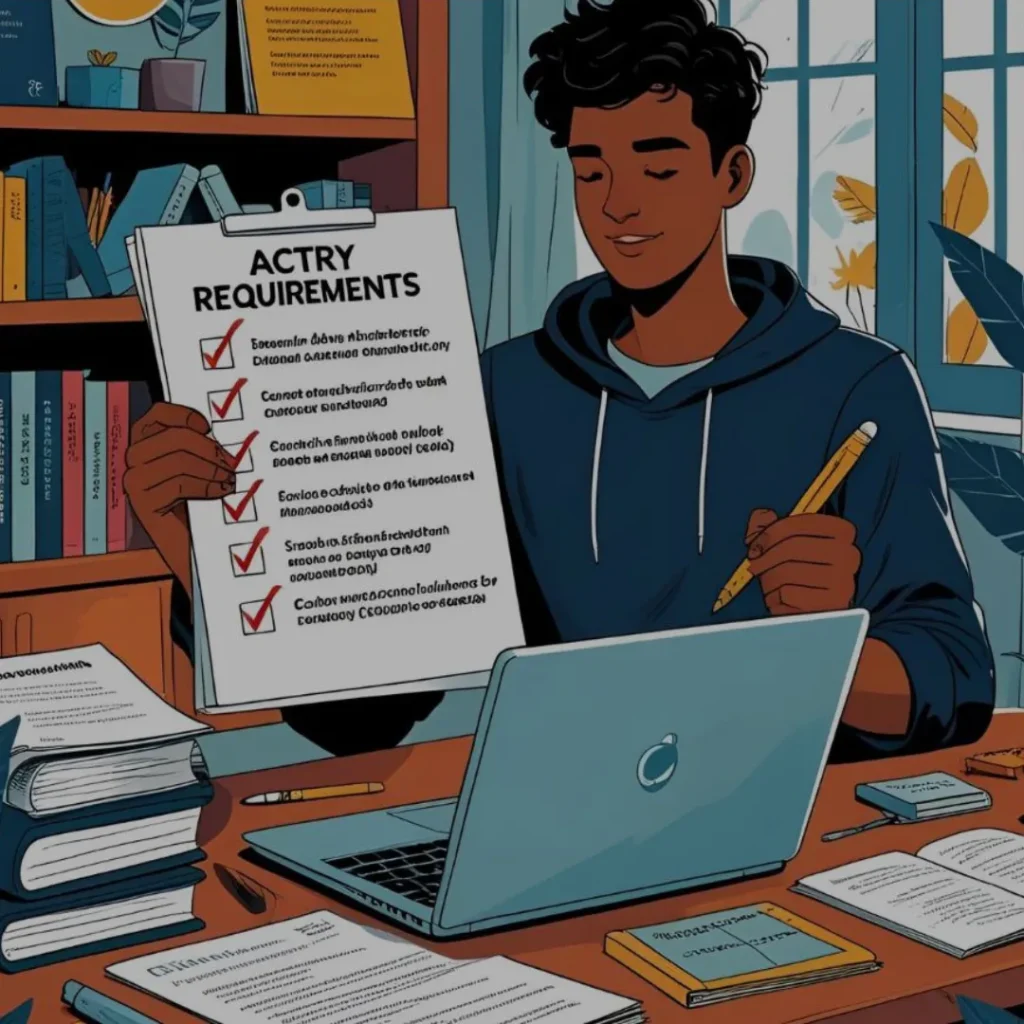
Entry Requirments

To enrol in ICTQual Level 6 Diploma in Natural History Museum Development:

  • Educational Qualifications: A Level 5 qualification (Diploma or equivalent) in Museum Studies, History, Archaeology, Environmental Science, Heritage Management, or a related field is recommended.
  • Professional Experience:Prior experience in museums, galleries, heritage sites, or cultural institutions can support learning and progression.
  • English Language Proficiency:Since the program is delivered in English, learners must show competence in reading, writing, and communication.

This qualification, the ICTQual Level 6 Diploma in Natural History Museum Development, consists of 6 mandatory units
  1. Applied Research in Natural History Museum Development
  2. Advanced Strategies in Collection Care and Risk Management
  3. Global Trends in Exhibition Design and Interpretation
  4. Digital Innovation and Virtual Museum Experiences
  5. Cultural Heritage Management and International Collaboration
  6. Strategic Leadership in Museum Development

What you will Gain

Learning Outcomes for the ICTQual Level 6 Diploma in Natural History Museum Development:

Applied Research in Natural History Museum Development

  • Design and conduct advanced research projects that contribute to museum innovation and heritage preservation.
  • Apply qualitative and quantitative methods to evaluate museum practices and visitor engagement.
  • Integrate research findings into strategic planning, conservation, and exhibition development.
  • Critically assess global case studies to inform best practices in museum operations.
  • Demonstrate ethical responsibility in applied research within cultural heritage contexts.

Advanced Strategies in Collection Care and Risk Management

  • Implement advanced preventive and interventive strategies for specimen care and preservation.
  • Apply risk management frameworks to safeguard collections against environmental, physical, and digital threats.
  • Evaluate emergency preparedness and disaster recovery plans for museum collections.
  • Utilize scientific monitoring systems to ensure long‑term sustainability of collections.
  • Recognize ethical and professional standards in collection care and risk management.

Global Trends in Exhibition Design and Interpretation

  • Analyze international trends in exhibition design, interpretation, and visitor experience.
  • Apply innovative storytelling and narrative techniques to enhance cultural relevance.
  • Evaluate exhibitions for inclusivity, accessibility, and educational impact.
  • Integrate global perspectives into exhibition planning and design strategies.
  • Demonstrate awareness of sustainability and cultural sensitivity in exhibition practices.

Digital Innovation and Virtual Museum Experiences

  • Apply advanced digital tools to create interactive and immersive museum experiences.
  • Integrate virtual and augmented reality into exhibitions and educational programs.
  • Evaluate the role of digital innovation in expanding global access to collections.
  • Develop strategies for online engagement and virtual museum outreach.
  • Recognize challenges and opportunities in digital transformation for museums.

Cultural Heritage Management and International Collaboration

  • Apply principles of cultural heritage management to safeguard natural history collections.
  • Engage in international collaborations to promote shared heritage and conservation initiatives.
  • Evaluate global frameworks and policies guiding cultural heritage management.
  • Develop strategies for cross‑cultural partnerships and community engagement.
  • Demonstrate awareness of ethical responsibilities in international heritage collaboration.

Strategic Leadership in Museum Development

  • Apply leadership principles to manage complex museum projects and institutional growth.
  • Demonstrate effective communication and decision‑making in strategic museum leadership.
  • Evaluate governance structures and their impact on museum sustainability.
  • Develop policies that align with international standards and ethical codes of practice.
  • Recognize the role of innovation and vision in shaping future museum development.

Want to know more?

This course is ideal for individuals interested in museum studies, heritage management, environmental education, and cultural institutions.

You will develop skills in museum planning, exhibition development, collection care, conservation practices, and audience engagement strategies.

Graduates can pursue roles such as museum curator, exhibition officer, heritage manager, education officer, or work in cultural and environmental organizations.

Assessments may include assignments, project work, case studies, and practical evaluations rather than traditional exams.

Lock In Your Spot

ICTQual Level 6 Diploma in Natural History Museum Development

Similar Posts