
OSHAA 155-Hour

Oil and Gas Safety and Health

Awarding Body

OSHAA

Duration

155 Hours

Course Category

Health & Safety

study mode

Online Learning

Course overview

The OSHAA 155-Hour Oil and Gas Safety and Health Program is a specialised training course designed for professionals working in one of the world’s most high-risk industries. The oil and gas sector involves complex operations, hazardous materials, and strict safety requirements. This programme equips participants with advanced knowledge, practical skills, and regulatory understanding to ensure safe operations, prevent accidents, and protect both personnel and the environment.

A key strength of this programme is its industry-focused and practical approach. Participants engage in real-world case studies, incident reviews, and scenario-based exercises reflecting the challenges of exploration, drilling, refining, and transportation operations. By learning OSHA-based regulations alongside international safety practices, learners gain the ability to identify risks such as flammable gases, high-pressure systems, toxic substances, and explosive atmospheres, and apply effective control measures.

This course is ideal for safety officers, supervisors, engineers, managers, and contractors within the oil and gas industry. It prepares participants to manage site-specific hazards, ensure regulatory compliance, and promote a proactive safety culture. Completing the programme enhances career opportunities across offshore and onshore facilities, refineries, and pipeline projects.

More than a compliance qualification, the OSHAA 155-Hour Oil and Gas Safety and Health Program develops safety leaders capable of reducing operational risks, improving workplace safety performance, and supporting sustainable growth in the oil and gas sector.

OSHAA

satellite centre of Paradigm Us

For OSHAA Qualifications
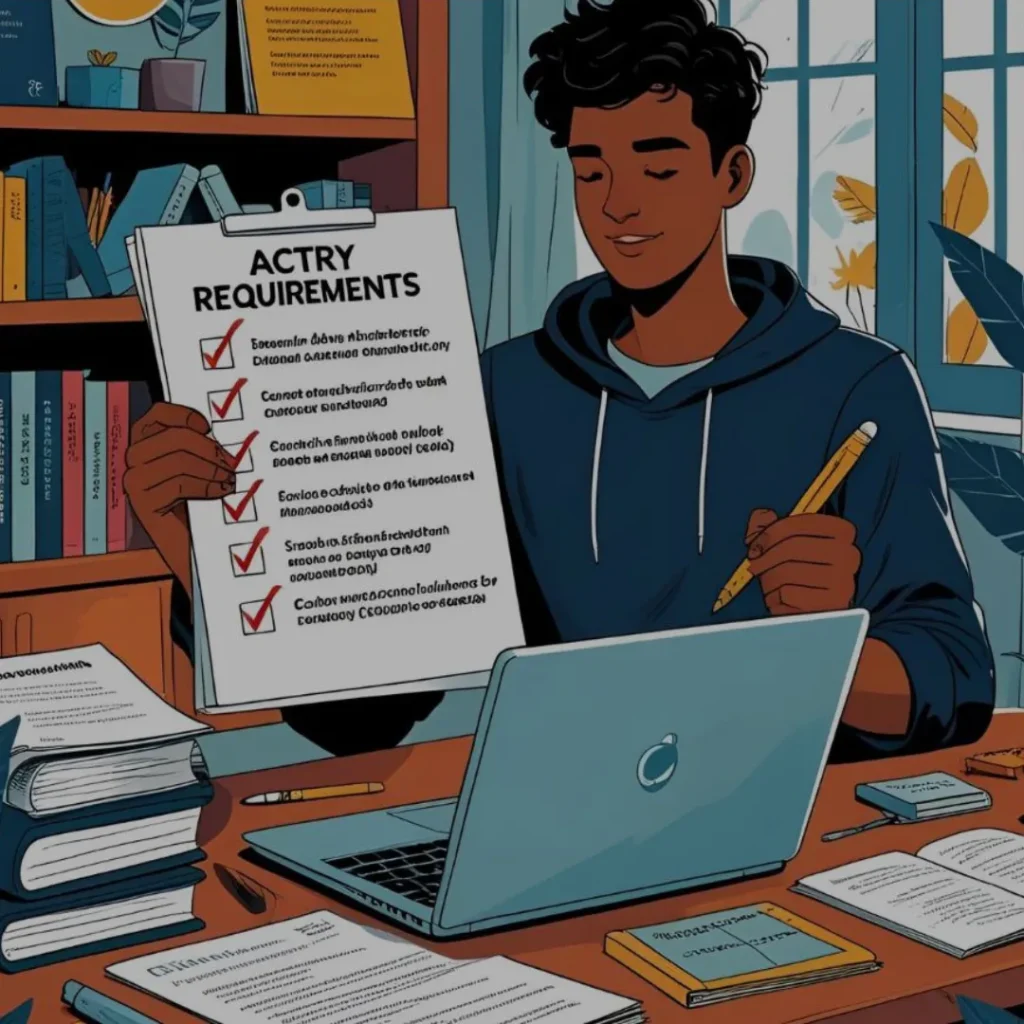
Entry Requirments

Entry Requirements for the OSHAA 155-Hour Oil and Gas Safety and Health:

  • Educational Qualifications:No formal qualifications are required; basic literacy is sufficient to understand training materials.
  • Professional Experience:Prior experience in oil and gas, construction, engineering, or industrial environments is recommended but not mandatory.
  • English Language Proficiency:Since the program is delivered in English, learners must show competence in reading, writing, and communication.

The OSHAA 155-Hour Oil and Gas Safety and Health qualification consists of 12 mandatory units.

The OSHA 155-Hour Oil and Gas Safety and Health consists of 12 mandatory units which are as follows.

  • Introduction to OSHA and Oil and Gas Safety Standards (10 Hours)
  • Hazard Identification and Risk Management (15 Hours)
  • Personal Protective Equipment (PPE) and Safety Gear (10 Hours)
  • Fire and Explosion Prevention and Response (15 Hours)
  • Hazard Communication and Chemical Safety (HAZCOM) (15 Hours)
  • Environmental Protection and Spill Management (15 Hours)
  • Emergency Preparedness and Response (15 Hours)
  • Workplace Safety Practices and Procedures (15 Hours)
  • Offshore and Remote Worksite Safety (15 Hours)
  • Incident Reporting and Investigation (10 Hours)
  • Contractor Safety and Multi-Employer Worksites (10 Hours)
  • Safety Auditing and Continuous Improvement (10 Hours)
  • loyee Training (15 Hours)

What you will Gain

Introduction to OSHA and Oil and Gas Safety Standards (10 Hours)

  • Understand OSHA’s role and regulatory framework in the oil and gas industry.
  • Interpret industry-specific safety standards and compliance requirements.
  • Recognize the responsibilities of employers, employees, and contractors in ensuring safety.
  • Apply OSHA regulations to improve safety performance in oil and gas operations.

Hazard Identification and Risk Management (15 Hours)

  • Identify common hazards in oil and gas operations, including drilling, refining, and transportation.
  • Apply risk assessment techniques to evaluate potential impacts of identified hazards.
  • Prioritize risks based on severity, likelihood, and exposure.
  • Develop and implement risk management strategies to mitigate workplace hazards.

Personal Protective Equipment (PPE) and Safety Gear (10 Hours)

  • Understand the types and functions of PPE used in oil and gas environments.
  • Select and use appropriate PPE for high-risk tasks, such as confined space entry and chemical handling.
  • Demonstrate correct usage, maintenance, and limitations of PPE and safety gear.
  • Promote compliance with PPE policies to protect workers in hazardous operations.

Fire and Explosion Prevention and Response (15 Hours)

  • Understand fire and explosion risks specific to oil and gas operations.
  • Apply prevention strategies, including safe storage and handling of flammable materials.
  • Demonstrate knowledge of fire suppression systems and emergency response procedures.
  • Develop and implement response plans to minimize the impact of fire and explosion incidents.

Hazard Communication and Chemical Safety (HAZCOM) (15 Hours)

  • Understand OSHA’s Hazard Communication Standard (HCS) in the context of oil and gas.
  • Interpret Safety Data Sheets (SDS) and chemical labeling systems.
  • Recognize chemical hazards and implement safe handling, storage, and transport practices.
  • Apply hazard communication procedures to protect workers from toxic and flammable substances.

Environmental Protection and Spill Management (15 Hours)

  • Understand environmental hazards associated with oil and gas exploration and refining.
  • Apply regulations and best practices for spill prevention, containment, and cleanup.
  • Develop strategies for minimizing environmental impacts of oil and gas operations.
  • Promote sustainable practices in line with environmental compliance requirements.

Emergency Preparedness and Response (15 Hours)

  • Understand emergency scenarios in oil and gas operations, including blowouts, leaks, and explosions.
  • Develop comprehensive emergency preparedness and response plans.
  • Demonstrate knowledge of evacuation procedures, rescue operations, and crisis management.
  • Apply effective communication strategies during emergencies to ensure safety and minimize losses.

Workplace Safety Practices and Procedures (15 Hours)

  • Apply safe work practices across drilling, refining, and pipeline operations.
  • Understand procedures for confined space entry, hot work, and working at heights.
  • Implement safe operating procedures for machinery and equipment in oil and gas environments.
  • Foster a culture of safety compliance and accountability in the workplace.

Offshore and Remote Worksite Safety (15 Hours)

  • Recognize the unique safety challenges of offshore platforms and remote sites.
  • Apply emergency evacuation and survival techniques specific to offshore operations.
  • Implement safe practices for transportation, lifting, and marine operations.
  • Ensure compliance with international safety standards for offshore work.

Incident Reporting and Investigation (10 Hours)

  • Understand OSHA requirements for incident reporting in oil and gas operations.
  • Conduct systematic investigations of workplace accidents and near misses.
  • Identify root causes and contributing factors to incidents.
  • Recommend corrective and preventive measures to reduce recurrence.

Contractor Safety and Multi-Employer Worksites (10 Hours)

  • Understand safety challenges in multi-employer oil and gas worksites.
  • Apply contractor management systems to ensure safety compliance.
  • Promote coordination and communication between contractors, subcontractors, and operators.
  • Develop strategies to reduce risks in multi-employer environments.

Safety Auditing and Continuous Improvement (10 Hours)

  • Understand the principles and objectives of safety audits in oil and gas operations.
  • Conduct workplace inspections to identify hazards and compliance gaps.
  • Document findings and recommend corrective actions for improvement.
  • Promote continuous improvement by fostering a proactive safety culture.

Want to know more?

This programme is ideal for safety officers, supervisors, engineers, managers, contractors, and professionals working in oil and gas exploration, drilling, refining, and pipeline operations.

Key topics include hazard identification, fire and explosion prevention, chemical safety, confined space entry, process safety management, emergency response, environmental compliance, and incident investigation.

Yes, participants who successfully complete the programme receive an OSHAA 155-Hour Oil and Gas Safety and Health Certificate, recognised internationally.

Completing this programme opens opportunities for roles such as HSE Officer, Safety Supervisor, Safety Manager, Process Safety Specialist, and Oil & Gas Safety Consultant.

Yes, the OSHAA certification is internationally recognised, allowing participants to work in oil and gas projects worldwide.

Lock In Your Spot

Similar Posts