ICTQual Level 4 Diploma

Environmental Engineering 120 Credits – One Year

Awarding Body

ICTQual AB

Credits

120 Credits

Course

Environmental Engineering

study mode

Online Learning

Course overview

The ICTQual Level 4 Diploma in Environmental Engineering (120 Credits – One Year) is an advanced programme designed for learners seeking in-depth technical knowledge and practical skills in environmental engineering and sustainability. Over one year, the course covers comprehensive topics such as environmental systems, pollution control, waste and water management, air quality, renewable energy, and environmental regulations. Learners gain a deeper understanding of how engineering principles are applied to real-world environmental challenges, preparing them for senior technical roles or further studies in environmental and civil engineering disciplines.

The programme combines structured theoretical study with extensive practical exercises to enhance professional competence and confidence. Core modules include advanced environmental monitoring, sustainable waste management, water and air treatment techniques, pollution prevention, and compliance with health, safety, and environmental standards. Learners participate in hands-on workshops, site visits, and simulated real-world scenarios to apply knowledge, develop analytical and problem-solving skills, and gain practical experience in operational environments. Emphasis is placed on sustainable practices, critical thinking, and adherence to industry standards.

This qualification is ideal for school leavers, professionals, or learners with prior environmental knowledge aiming to advance their careers. Graduates can pursue roles such as Environmental Technician, Sustainability Officer, or Environmental Engineer. The course also provides a pathway to higher-level diplomas, specialized certifications, or degree programmes, equipping learners with the skills and expertise needed for career growth in environmental management and sustainable engineering projects.
ICTQual AB

Approved Training centre of ICTQual AB

Centre # : ATC24001
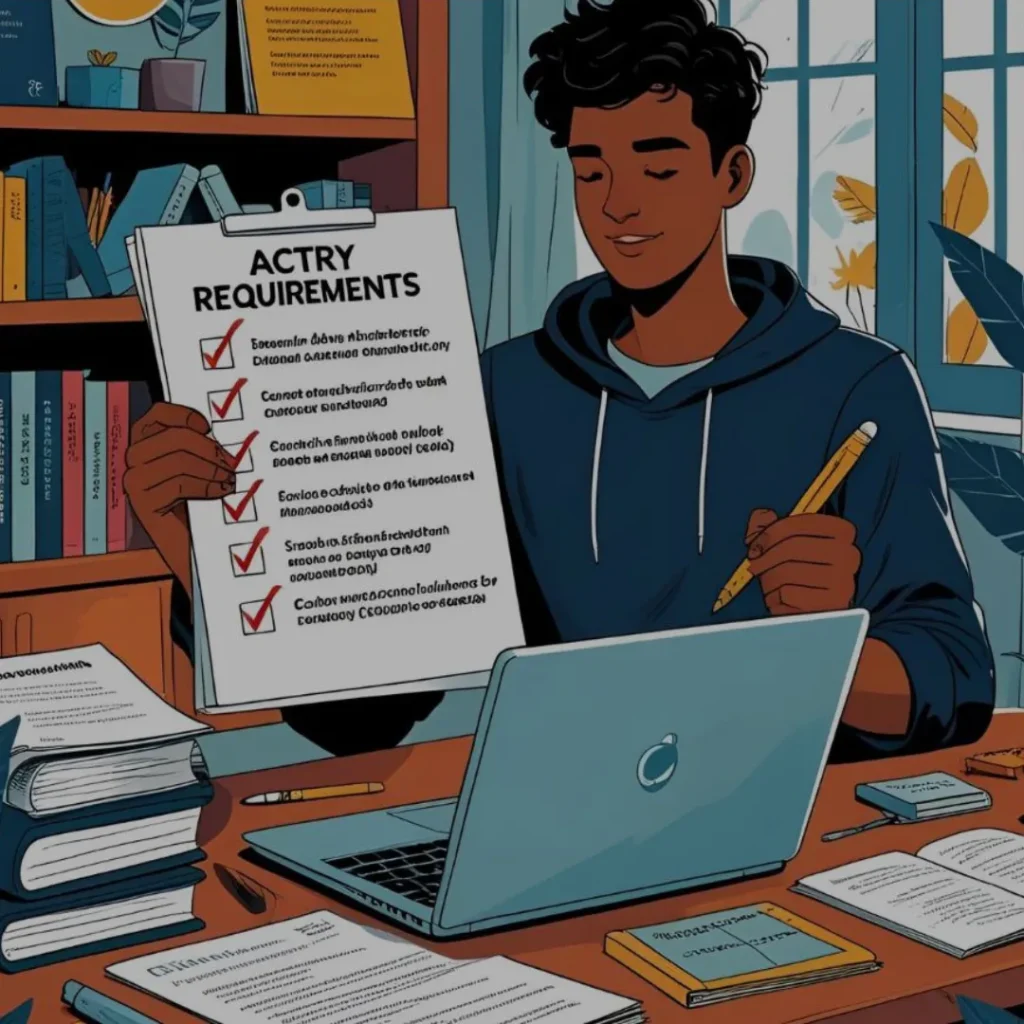
Entry Requirments

Entry Requirements for the ICTQual Level 4 Diploma in Environmental Engineering 120 Credits – One Year:

  • Educational Qualifications:A Level 3 Diploma in Environmental Engineering or an equivalent qualification in environmental science, sustainability, or related technical fields.
  • Professional Experience:Relevant experience in environmental monitoring, sustainability projects, or technical support roles is advantageous but not mandatory.
  • English Language Proficiency:Since the program is delivered in English, learners must show competence in reading, writing, and communication.

ICTQual Level 4 Diploma in Environmental Engineering 120 Credits – One Year in Personal Protective Equipment qualification consists of 12 mandatory units.

  • Introduction to Environmental Engineering
  • Environmental Impact Assessment
  • Water and Wastewater Treatment
  • Air Quality and Pollution Control
  • Solid Waste Management and Recycling
  • Renewable Energy Systems
  • Sustainable Engineering Practices
  • Environmental Regulations and Policies
  • Climate Change and Environmental Risk Management
  • Soil and Groundwater Contamination
  • Environmental Project Management
  • Advanced Topics in Environmental Engineering

What You Will Gain

1. Introduction to Environmental Engineering

  • Understand the fundamental principles, scope, and history of environmental engineering.
  • Identify key environmental challenges and apply basic engineering concepts to address them.
  • Explain the role of environmental engineers in promoting sustainability and protecting ecosystems.

2. Environmental Impact Assessment (EIA)

  • Understand the process and importance of conducting Environmental Impact Assessments.
  • Analyze the social, economic, and environmental impacts of proposed projects.
  • Develop mitigation strategies to minimize negative environmental impacts.

3. Water and Wastewater Treatment

  • Explain the principles and processes involved in water purification and wastewater treatment.
  • Design basic treatment systems for different types of water contaminants.
  • Evaluate the effectiveness of various water treatment technologies in real-world applications.

4. Air Quality and Pollution Control

  • Identify major air pollutants and their sources.
  • Apply techniques for monitoring and controlling air quality.
  • Design solutions for reducing emissions and minimizing air pollution in industrial and urban settings.

5. Solid Waste Management and Recycling

  • Understand the principles of solid waste management, including collection, transportation, and disposal.
  • Develop strategies for waste reduction, recycling, and resource recovery.
  • Evaluate the environmental and economic benefits of different waste management practices.

6. Renewable Energy Systems

  • Identify different renewable energy sources (solar, wind, biomass, etc.) and their applications.
  • Evaluate the feasibility and efficiency of renewable energy technologies.
  • Design small-scale renewable energy projects to promote sustainability.

7. Sustainable Engineering Practices

  • Apply the principles of sustainable development to engineering projects.
  • Assess the environmental, social, and economic impacts of engineering decisions.
  • Develop sustainable solutions to real-world environmental challenges.

8. Environmental Regulations and Policies

  • Understand key national and international environmental regulations and standards.
  • Interpret and apply legal frameworks in environmental management and compliance.
  • Evaluate the role of policies in promoting environmental protection and sustainability.

9. Climate Change and Environmental Risk Management

  • Understand the causes and impacts of climate change on ecosystems and societies.
  • Analyze strategies for mitigating climate change and adapting to its effects.
  • Develop risk assessment plans to address environmental hazards and uncertainties.

10. Soil and Groundwater Contamination

  • Identify sources and types of soil and groundwater contaminants.
  • Apply techniques for the assessment and remediation of contaminated sites.
  • Design monitoring programs to track soil and groundwater quality.

11. Environmental Project Management

  • Understand the principles and practices of managing environmental projects.
  • Apply project management tools to plan, execute, and monitor environmental initiatives.
  • Ensure compliance with environmental regulations and sustainability goals throughout a project lifecycle.

12. Advanced Topics in Environmental Engineering

  • Explore emerging trends and technologies in environmental engineering.
  • Apply advanced analytical and modeling techniques to complex environmental problems.
  • Engage in interdisciplinary approaches to address global environmental challenges.

Want to know more?

The course runs for one year and carries 120 credits, combining theoretical lessons, hands-on workshops, site visits, and practical projects.

Graduates can pursue roles such as Environmental Technician, Sustainability Officer, Environmental Engineer, or Junior Environmental Consultant in waste, water, and air quality management.

Yes, learners can advance to Level 5 diplomas, specialized environmental engineering programmes, or degree-level studies in environmental, civil, or sustainability engineering.

Learners develop skills in environmental monitoring, waste and water management, pollution control, renewable energy, regulatory compliance, problem-solving, and sustainable engineering practices.

Yes, it is ideal for school leavers, professionals, or learners with prior environmental knowledge who want to advance their technical skills and career in environmental engineering.

Lock In Your Spot

Similar Posts