
ICTQual Level 1 Award

Basic Life Saving

Awarding Body

ICTQual AB

Duration

1 Day

Course

Health and Safety

study mode

Online Learning

Course overview

The ICTQual Level 1 Award in Basic Life Saving is an introductory qualification designed for learners who want to develop essential life-saving skills and basic first aid knowledge. This short, focused programme equips learners with the understanding and practical abilities required to respond confidently in emergency situations. Over the course, learners are introduced to key concepts such as assessing emergency scenarios, performing CPR, managing choking incidents, and providing basic care until professional help arrives. The course provides a strong foundation for anyone interested in personal safety, community support, or pursuing further first aid and emergency response training.

The programme combines theoretical instruction with hands-on practical exercises to ensure learners can apply life-saving techniques effectively. Students participate in simulated emergency scenarios, practice CPR on manikins, and learn how to handle injuries, burns, and other urgent medical situations safely. Core topics include basic resuscitation, airway management, emergency assessment, and safe intervention procedures. Through guided practice and real-world scenarios, learners develop confidence, quick decision-making abilities, and adherence to safety protocols, ensuring they are prepared to respond appropriately in critical situations.

This award is ideal for beginners with no prior experience in first aid or emergency response. Graduates gain the skills needed to assist in everyday emergencies and can progress to higher-level qualifications in life-saving, first aid, or health and safety training. The Level 1 Award provides a solid stepping stone for personal development or careers in caregiving, education, and public safety.
ICTQual AB

Approved Training centre of ICTQual AB

Centre # : ATC24001
Entry Requirments

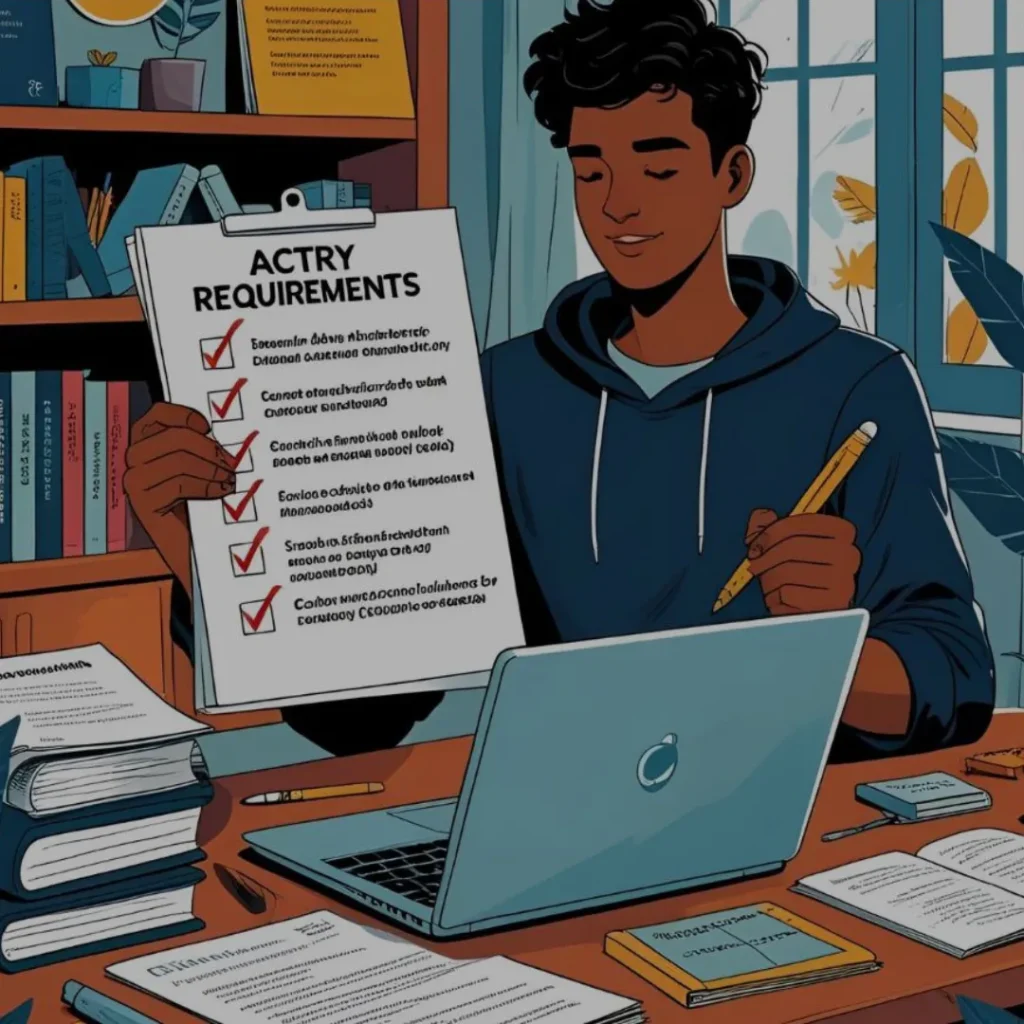
Entry Requirements for the ICTQual Level 1 Award in Basic Life Saving:

  • Educational Qualifications:No formal qualifications are required; the course is suitable for beginners and learners of all ages.
  • Professional Experience:No prior professional or first aid experience is needed to enroll in this course.
  • English Language Proficiency:Since the program is delivered in English, learners must show competence in reading, writing, and communication.

ICTQual Level 1 Award in Basic Life Saving in Personal Protective Equipment qualification consists of 6 mandatory units.

Introduction to Basic Life Saving
Cardiopulmonary Resuscitation (CPR)
Automated External Defibrillator (AED) Use
Airway Management and Rescue Breathing
Choking Emergencies
Emergency Response and Scene Management

What You Will Gain

1. Understanding Emergency Situations

  • Recognize Medical Emergencies: Identify the signs and symptoms of common medical emergencies such as cardiac arrest, choking, severe allergic reactions, and strokes.
  • Assess Emergency Situations: Assess the scene for safety, determine the nature of the emergency, and decide on the appropriate actions to take while ensuring personal safety.

2. Basic Life Support (BLS) Techniques

  • Perform CPR: Demonstrate the proper techniques for Cardiopulmonary Resuscitation (CPR) on adults, children, and infants, including the correct application of chest compressions and rescue breaths.
  • Use of AEDs: Understand the function of Automated External Defibrillators (AEDs) and demonstrate the ability to operate an AED effectively during a cardiac emergency.

3. Choking Response

  • Respond to Choking Incidents: Perform the Heimlich maneuver (abdominal thrusts) on adults and children, and apply appropriate back blows and chest thrusts for choking infants.
  • Recognize Airway Obstruction: Identify the signs of a partial or complete airway obstruction and know when to intervene.

4. First Aid for Common Emergencies

  • Control Bleeding: Demonstrate techniques for controlling external bleeding, including the use of direct pressure, bandages, and elevation.
  • Treat Burns: Provide appropriate first aid for different types of burns, including thermal, chemical, and electrical burns.
  • Manage Fractures and Sprains: Apply basic first aid techniques for fractures and sprains, including immobilization and support.
  • Respond to Shock: Recognize the signs of shock and provide the necessary first aid to stabilize the victim.

5. Emergency Preparedness and Response

  • Prepare Emergency Kits: Understand the components of a basic first aid kit and how to use them effectively in various situations.
  • Effective Communication: Communicate clearly and effectively with emergency services, providing them with accurate information about the situation and the victim’s condition.
  • Scene Management: Manage the scene of an emergency by securing the area, providing care to the victim, and keeping bystanders away.

6. Legal and Ethical Considerations

  • Understand Legal Implications: Understand the legal considerations and obligations when providing first aid, including Good Samaritan laws and consent.
  • Ethical Responsibilities: Recognize the ethical responsibilities of a first responder, including maintaining confidentiality, respecting the victim’s dignity, and providing care within the scope of one’s training.

Want to know more?

This is a short programme that can be completed in a few hours to one day, depending on the training provider, making it ideal for beginners seeking quick certification.

The course covers CPR, airway management, handling choking emergencies, basic injury care, burns, and safe intervention until professional medical help arrives.

The course is suitable for beginners of all ages with no prior experience or qualifications in first aid or emergency response.

Yes, it is an accredited qualification recognized for basic life-saving and first aid training, providing a foundation for higher-level certifications.

Yes, learners can progress to Level 2 or Level 3 First Aid and Life Saving courses, building on their skills for professional and workplace requirements.

Lock In Your Spot

Similar Posts