LicQual Level 3 Diploma

Environmental Management

Awarding Body

LICQual

Credits

60 Credits

Course

Environmental Management

study mode

Online Learning

Course overview

The LicQual Level 3 Diploma in Environmental Management is designed for individuals seeking to develop foundational knowledge and practical skills in environmental management and sustainable practices. The course introduces learners to basic environmental legislation, compliance requirements, and industry standards. It covers key areas such as environmental assessment, resource use, and strategies to reduce environmental impact, providing a strong foundation for effective environmental management at an operational level.

Throughout the programme, participants gain hands-on experience in supporting environmental audits, identifying risks, and applying straightforward mitigation strategies. Core topics include environmental impact assessment, waste and resource management, pollution control, and sustainability planning. Practical exercises and real-world case studies allow learners to apply theoretical concepts to everyday workplace scenarios, enhancing their problem-solving and decision-making skills in environmental contexts.

This diploma is ideal for entry-level environmental officers, assistants, and professionals supporting sustainability initiatives within organisations. Graduates are equipped to contribute to compliance monitoring, assist with audits, and implement basic sustainability practices. The Level 3 Diploma also provides a pathway to higher-level qualifications, such as the Level 4 Diploma, supporting career progression in environmental management, sustainability coordination, and related operational roles.

Approved Training centre of LICQual Uk

Centre # : ATC24002
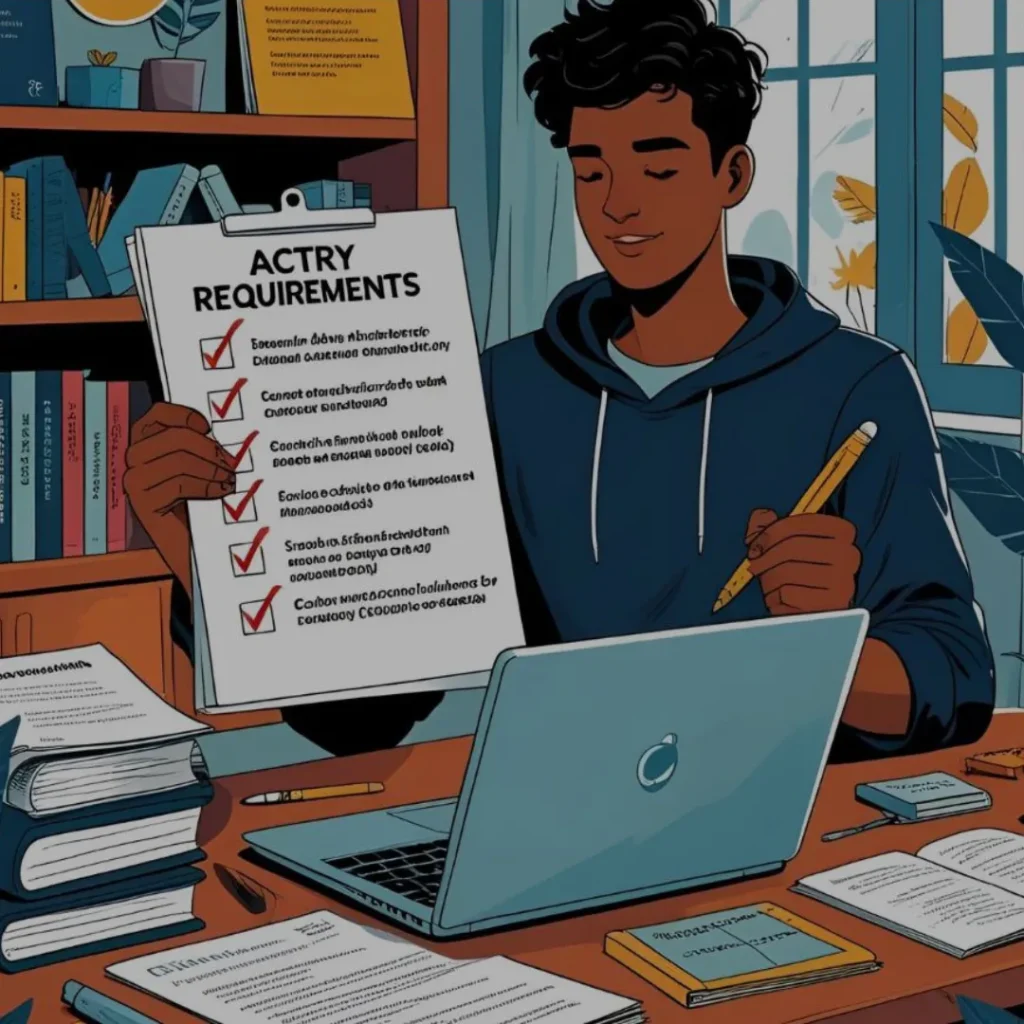
Entry Requirments

Entry Requirements for the LicQual Level 3 Diploma in Environmental Management:

  • Educational Qualifications:Minimum of a Level 2 qualification in a related subject or an equivalent qualification.
  • Professional Experience:Relevant work experience in environmental management, sustainability, or related fields is advantageous but not mandatory.
  • English Language Proficiency:Since the program is delivered in English, learners must show competence in reading, writing, and communication.

The LicQual Level 3 Diploma in Environmental Management in Personal Protective Equipment qualification consists of 6 mandatory units.
The LicQual Level 3 Diploma in Environmental Management consists of 6 mandatory units which are as follows.

  • Introduction to Environment
  • Environmental Management Systems
  • Environmental Planning
  • Global Environmental Issues
  • Modern Environmental Management
  • Energy Management

What you will Gain

Introduction to Environment

  1. Understanding Environmental Fundamentals: Gain a foundational understanding of the natural environment, including ecosystems, biodiversity, and the interrelationships between living organisms and their surroundings.
  2. Environmental Terminology: Become familiar with key environmental terms and concepts that are essential for further study in environmental management.
  3. Human Impact: Analyze the ways in which human activities impact the environment, including pollution, deforestation, and climate change.
  4. Sustainable Practices: Learn about the principles of sustainability and how they can be applied to mitigate environmental impacts.

Environmental Management Systems (EMS)

  1. EMS Framework: Understand the structure and components of Environmental Management Systems, including ISO 14001 standards.
  2. Policy Development: Develop skills to create and implement environmental policies and objectives within an organization.
  3. Risk Assessment: Learn to identify, assess, and manage environmental risks and opportunities.
  4. Continuous Improvement: Gain knowledge on how to use EMS to drive continuous improvement in environmental performance.

Environmental Planning

  1. Planning Principles: Understand the principles and practices of environmental planning and its role in sustainable development.
  2. Impact Assessment: Learn to conduct environmental impact assessments (EIAs) to evaluate the potential effects of proposed projects on the environment.
  3. Regulatory Compliance: Become familiar with environmental laws and regulations that influence planning decisions.
  4. Stakeholder Engagement: Develop skills to engage with stakeholders, including the public, government agencies, and non-governmental organizations, in the planning process.

Global Environmental Issues

  1. Climate Change: Gain an understanding of the science behind climate change, its impacts, and mitigation strategies.
  2. Biodiversity Loss: Learn about the causes and consequences of biodiversity loss and the importance of conservation efforts.
  3. Resource Depletion: Analyze global issues related to resource depletion, such as deforestation, water scarcity, and fossil fuel consumption.
  4. International Policies: Understand the role of international agreements and organizations in addressing global environmental issues.

Modern Environmental Management

  1. Innovative Practices: Explore modern techniques and technologies used in environmental management, such as GIS, remote sensing, and environmental modeling.
  2. Corporate Responsibility: Learn about corporate social responsibility (CSR) and how businesses can integrate sustainable practices into their operations.
  3. Sustainable Development Goals (SDGs): Understand the United Nations’ SDGs and their relevance to environmental management.
  4. Case Studies: Analyze real-world case studies to understand the application of modern environmental management practices.

Energy Management

  1. Energy Fundamentals: Gain a comprehensive understanding of energy sources, including renewable and non-renewable resources.
  2. Energy Efficiency: Learn strategies for improving energy efficiency in various sectors, including industrial, commercial, and residential.
  3. Renewable Energy: Explore different types of renewable energy technologies, such as solar, wind, hydro, and biomass, and their potential to reduce environmental impacts.
  4. Policy and Regulation: Understand the role of government policies and regulations in promoting sustainable energy management practices.

Want to know more?

This course is ideal for entry-level environmental officers, assistants, or individuals looking to start a career in environmental management and sustainability.

Core topics include environmental impact assessment, waste and resource management, pollution control, sustainability practices, and basic environmental reporting.

The programme combines theory with practical exercises, case studies, and real-world examples, allowing learners to apply knowledge in workplace scenarios.

The Level 3 Diploma typically takes 3–6 months to complete, depending on study mode and pace.

Yes, it provides a pathway to the Level 4 Diploma in Environmental Management and higher-level sustainability and environmental management roles.

Lock In Your Spot

Similar Posts