LicQual Level 3 Diploma

Environmental Sustainability Management

Awarding Body

LICQual

Credits

60 Credits

Course

Environmental Sustainability Management

study mode

Online Learning

Course overview

The LicQual Level 3 Diploma in Environmental Sustainability Management is designed for individuals who want to build a solid foundation in environmental and sustainability practices. This course introduces learners to essential environmental legislation, regulatory compliance, and recognised industry standards. It develops an understanding of how organisations manage environmental responsibilities while promoting sustainable operations and responsible resource use at an operational level.

Throughout the programme, learners gain practical skills to support environmental management activities in real workplace settings. Key areas of study include environmental impact assessment, waste and resource management, pollution prevention, and sustainability planning. Learners also explore how to identify environmental risks, support audits, and apply basic mitigation strategies. Practical exercises and case studies help translate theory into effective decision-making and problem-solving skills.

This qualification is ideal for entry-level environmental officers, sustainability assistants, and staff supporting environmental initiatives within organisations. Graduates are prepared to assist with compliance monitoring, contribute to environmental audits, and help implement sustainability practices. The Level 3 Diploma also provides a clear progression route to higher-level qualifications, such as the LicQual Level 4 Diploma, supporting career development in environmental management, sustainability coordination, and related operational roles.

Approved Training centre of LICQual Uk

Centre # : ATC24002
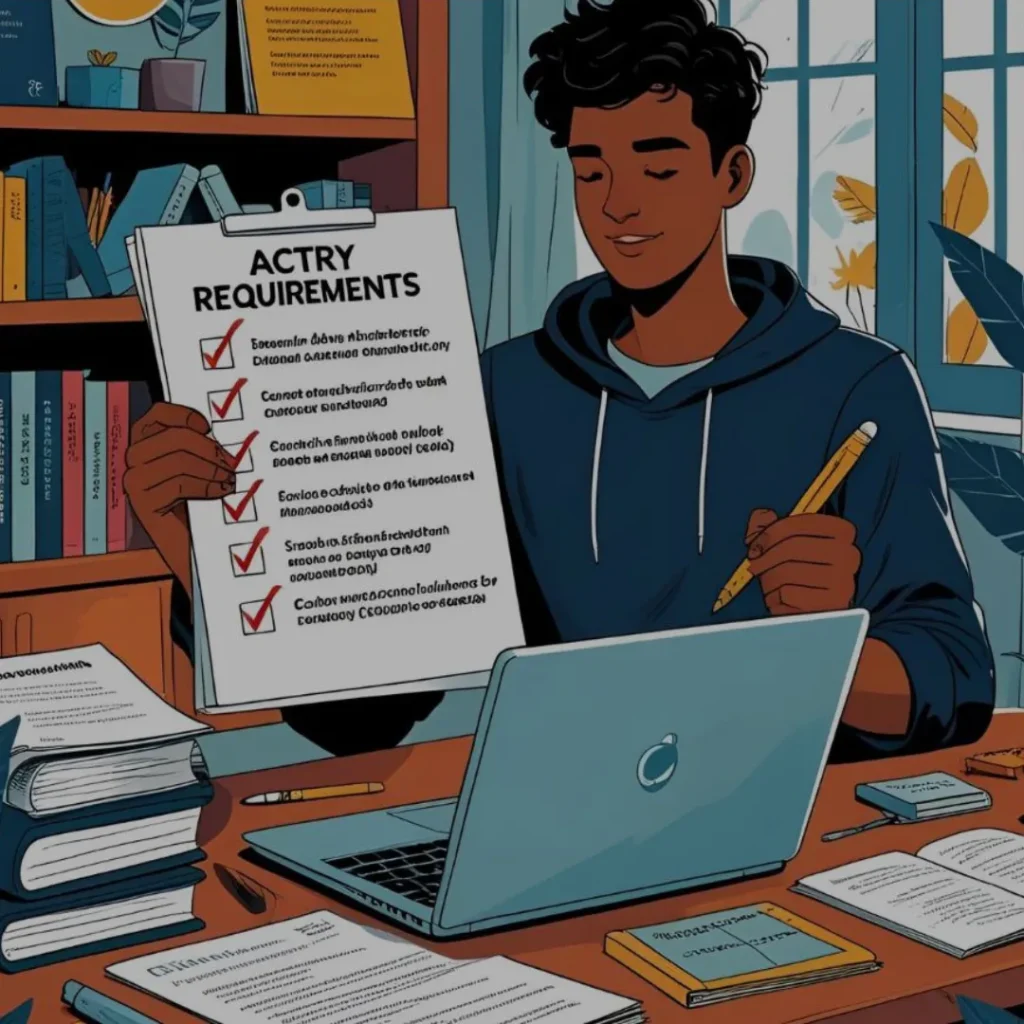
Entry Requirments

Entry Requirements for the LicQual Level 3 Diploma in Environmental Sustainability Management:

  • Educational Qualifications:Minimum secondary school education or an equivalent qualification; a Level 2 qualification or related subject is beneficial but not mandatory.
  • Professional Experience:No prior experience required, though basic exposure to environmental, sustainability, or operational roles is an advantage.
  • English Language Proficiency:Since the program is delivered in English, learners must show competence in reading, writing, and communication.

The LicQual Level 3 Diploma in Environmental Sustainability Management in Personal Protective Equipment qualification consists of 6 mandatory units.
The LicQual Level 3 Diploma in Environmental Sustainability Management consists of 6 mandatory units which are as follows.

  • Environmental Policy and Legislation
  • Sustainable Resource Management
  • Environmental Impact Assessment
  • Climate Change Mitigation and Adaptation Strategies
  • Corporate Social Responsibility
  • Green Technology and Innovation

What you will Gain

1. Environmental Policy and Legislation

  • Understand Policy Frameworks: Gain a foundational understanding of national and international environmental policies, laws, and regulations.
  • Analyze Legal Requirements: Analyze the basic legal requirements for environmental protection and sustainable practices.
  • Comprehend Policy Development: Understand the process of environmental policy development and the role of various stakeholders.
  • Advocate for Environmental Policy: Learn to advocate for effective environmental policies and compliance within organizations and communities.

2. Sustainable Resource Management

  • Efficient Resource Use: Understand the principles of managing natural resources efficiently to minimize waste and environmental degradation.
  • Apply Conservation Techniques: Learn basic conservation techniques and practices to protect and sustainably manage resources such as water, energy, and raw materials.
  • Develop Management Plans: Develop simple sustainable resource management plans that balance economic, social, and environmental considerations.
  • Assess Resource Impact: Understand how to assess the environmental impact of resource use and implement strategies to mitigate negative effects.

3. Environmental Impact Assessment

  • Conduct Basic Assessments: Develop the skills to conduct basic environmental impact assessments (EIAs) for various small-scale projects and activities.
  • Identify Environmental Impacts: Identify and evaluate potential environmental impacts of different activities and propose mitigation measures.
  • Prepare EIA Reports: Learn to prepare and present straightforward EIA reports to stakeholders, including regulatory authorities and the public.
  • Understand EIA Processes: Gain an understanding of the EIA process and its significance in sustainable development.

4. Climate Change Mitigation and Adaptation Strategies

  • Understand Climate Science: Gain a basic understanding of the science behind climate change, including its causes and effects.
  • Develop Mitigation Strategies: Learn simple strategies to reduce greenhouse gas emissions and mitigate the impacts of climate change.
  • Plan Adaptation Measures: Understand how to design and implement basic adaptation measures to help communities and organizations cope with the impacts of climate change.
  • Promote Climate Awareness: Learn to raise awareness about climate change and promote mitigation and adaptation strategies.

5. Corporate Social Responsibility

  • Implement Basic CSR Programs: Learn to design and implement basic corporate social responsibility (CSR) programs that align with organizational goals and values.
  • Engage with Stakeholders: Understand how to engage with stakeholders to promote and support CSR initiatives.
  • Measure CSR Impact: Develop the ability to measure and report on the impact of CSR activities on the environment and society.
  • Understand CSR Concepts: Gain a foundational understanding of CSR concepts and their importance in modern business practices.

6. Green Technology and Innovation

  • Identify Green Technologies: Identify and understand basic green technologies that can support sustainable practices.
  • Promote Technological Innovation: Foster a mindset of innovation that prioritizes the development and implementation of environmentally friendly technologies.
  • Integrate Green Solutions: Learn to integrate simple green technology solutions into business operations to improve sustainability and efficiency.
  • Evaluate Technology Benefits: Assess the environmental and economic benefits of various green technologies.

Want to know more?

This course is ideal for entry-level environmental officers, sustainability assistants, and individuals looking to start or progress a career in environmental management or sustainability roles.

The course covers environmental legislation, environmental impact assessment, waste and resource management, pollution control, sustainability planning, and basic environmental risk mitigation strategies.

Assessment typically includes written assignments, practical tasks, and case studies that demonstrate understanding and application of environmental sustainability principles.

Many training providers offer this qualification through online, blended, or classroom-based delivery, providing flexibility for learners.

The course equips learners with practical skills to reduce environmental impact, support compliance, and implement sustainable practices within organisations.

Lock In Your Spot

Similar Posts