LicQual Level 4 Diploma

Environmental Sustainability Management

Awarding Body

LICQual

Credits

60 Credits

Course

Environmental Sustainability Management

study mode

Online Learning

Course overview

The LicQual Level 4 Diploma in Environmental Sustainability Management is designed for individuals seeking to advance their knowledge and professional capability in environmental and sustainability management. This course builds on foundational concepts and introduces more in-depth understanding of environmental legislation, regulatory frameworks, and international sustainability standards. Learners develop the skills required to support strategic environmental planning and ensure organisational compliance while promoting long-term sustainable practices.

Throughout the programme, learners gain advanced practical skills to manage and improve environmental performance within organisational settings. Core areas of study include advanced environmental impact assessment, sustainable resource and energy management, pollution control strategies, and environmental risk management. Learners also explore sustainability reporting, continuous improvement systems, and the planning and coordination of environmental audits. Applied assignments and real-world case studies enable learners to evaluate complex environmental challenges and implement effective, practical solutions.

This qualification is ideal for environmental officers, sustainability coordinators, supervisors, and professionals with operational responsibility for environmental performance. Graduates are equipped to manage compliance activities, lead sustainability initiatives, and contribute to organisational environmental strategy. The Level 4 Diploma also provides a strong progression pathway to higher-level qualifications, supporting career advancement into senior environmental management, sustainability leadership, and consultancy roles.

Approved Training centre of LICQual Uk

Centre # : ATC24002
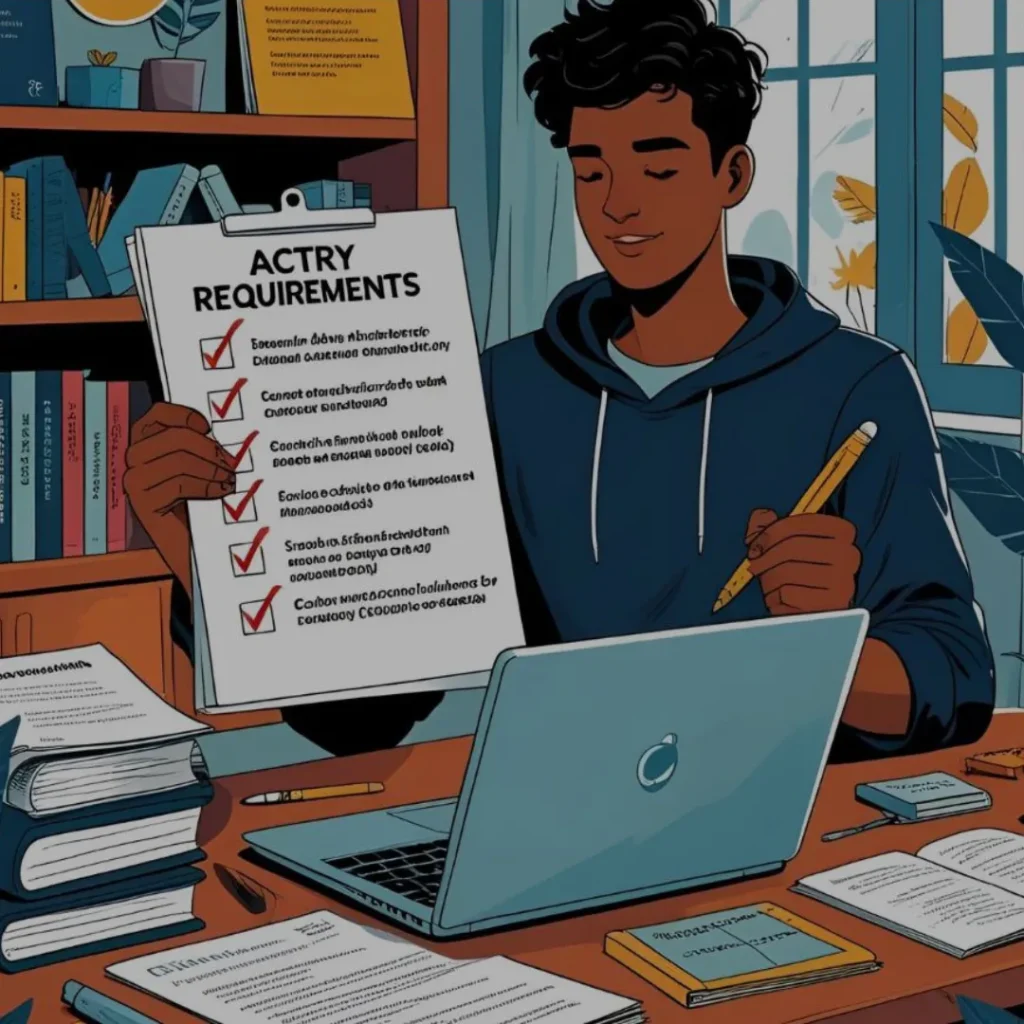
Entry Requirments

Entry Requirements for the LicQual Level 4 Diploma in Environmental Sustainability Management:

  • Educational Qualifications:A Level 3 qualification or equivalent in environmental management, sustainability, or a related subject is recommended.
  • Professional Experience:Some relevant workplace experience in environmental, sustainability, or operational roles is desirable but not mandatory.
  • English Language Proficiency:Since the program is delivered in English, learners must show competence in reading, writing, and communication.

The LicQual Level 4 Diploma in Environmental Sustainability Management in Personal Protective Equipment qualification consists of 10 mandatory units.

The LicQual Level 4 Diploma in Environmental Sustainability Management consists of 10 mandatory units which are as follows.

  • Principles of Environmental Sustainability
  • Environmental Policy and Regulation
  • Sustainable Resource Management
  • Climate Change Mitigation and Adaptation
  • Biodiversity Conservation
  • Environmental Impact Assessment
  • Sustainable Business Practices
  • Corporate Social Responsibility
  • Sustainable Energy Management
  • Waste Management and Recycling

What you will Gain

Principles of Environmental Sustainability

  • Understand the fundamental principles and concepts of environmental sustainability.
  • Analyze the interconnectedness of ecological, social, and economic systems in sustainability.
  • Evaluate sustainable practices and their impact on natural environments and human societies.
  • Apply sustainability principles to real-world scenarios and decision-making processes.

Environmental Policy and Regulation

  • Examine the development and implementation of environmental policies and regulations.
  • Analyze the roles of governmental and non-governmental entities in environmental governance.
  • Evaluate the effectiveness of environmental laws in addressing current environmental challenges.
  • Propose improvements to enhance environmental policy outcomes and compliance.

Sustainable Resource Management

  • Explore strategies for sustainable management of natural resources (e.g., water, energy, land).
  • Evaluate the environmental, social, and economic impacts of resource management practices.
  • Implement techniques to optimize resource use efficiency and minimize environmental degradation.
  • Develop sustainable resource management plans tailored to specific environmental contexts.

Climate Change Mitigation and Adaptation

  • Understand the science of climate change and its environmental impacts.
  • Explore mitigation strategies to reduce greenhouse gas emissions and combat climate change.
  • Develop adaptation measures to address the impacts of climate change on ecosystems and communities.
  • Analyze policies and initiatives aimed at promoting climate resilience and sustainability.

Biodiversity Conservation

  • Study the importance of biodiversity and ecosystem services to environmental sustainability.
  • Examine threats to biodiversity and habitats from human activities and climate change.
  • Evaluate conservation strategies and initiatives to protect biodiversity and restore ecosystems.
  • Implement biodiversity conservation measures in land use planning and natural resource management.

Environmental Impact Assessment

  • Master the process of conducting environmental impact assessments (EIAs) for development projects.
  • Identify potential environmental impacts and risks associated with project activities.
  • Propose mitigation measures and alternatives to minimize adverse environmental effects.
  • Communicate EIA findings and recommendations effectively to stakeholders and regulatory authorities.

Sustainable Business Practices

  • Explore the integration of sustainability principles into business operations and strategies.
  • Evaluate the economic benefits and competitive advantages of sustainable business practices.
  • Develop sustainability initiatives such as green procurement, eco-design, and supply chain management.
  • Implement corporate sustainability frameworks and standards to achieve environmental goals.

Corporate Social Responsibility (CSR)

  • Understand the concept and importance of corporate social responsibility (CSR) in sustainability.
  • Analyze CSR strategies and initiatives aimed at environmental protection and community engagement.
  • Evaluate the role of businesses in promoting ethical practices, social equity, and environmental stewardship.
  • Implement CSR programs that enhance corporate reputation and contribute to sustainable development.

Sustainable Energy Management

  • Study principles and technologies for sustainable energy production and consumption.
  • Evaluate renewable energy sources (e.g., solar, wind, hydro) and their environmental impacts.
  • Develop energy management plans to optimize efficiency, reduce carbon footprint, and promote energy conservation.
  • Implement strategies for integrating renewable energy systems into buildings and infrastructure.

Waste Management and Recycling

  1. Explore strategies for effective waste management and recycling programs.
  2. Evaluate waste generation trends, recycling technologies, and resource recovery processes.
  3. Implement waste reduction strategies and circular economy principles.
  4. Analyze the environmental benefits and economic feasibility of waste management practices.

Want to know more?

This course is ideal for environmental officers, sustainability coordinators, supervisors, and professionals responsible for managing environmental performance within organisations.

The course covers advanced environmental legislation, environmental impact assessment, sustainable resource and energy management, pollution control, environmental risk management, and sustainability reporting.

Assessment is usually based on assignments, practical projects, case studies, and workplace-based tasks that demonstrate applied environmental management skills.

Yes, successful completion allows progression to higher-level diplomas and professional qualifications in environmental management and sustainability leadership.

Many approved training providers offer this diploma through online, blended, or classroom-based learning options.

Lock In Your Spot

Similar Posts