
ICTQual Level 4 Award

Equality and Diversity Train the Trainer

Awarding Body

ICTQual AB

Duration

5 Day

Course

Train the Trainer

study mode

Online Learning

Course overview

The ICTQual Level 4 Award in Equality and Diversity Train the Trainer is an advanced programme designed for professionals who want to deliver high-quality equality and diversity training within organisations. Building on existing knowledge of workplace inclusion and legal frameworks, this course equips participants with the skills to design, deliver, and evaluate structured training programmes that promote fairness and inclusivity. Learners explore key areas such as equality legislation, diversity policies, bias awareness, inclusive practices, and organisational culture, enabling them to confidently train staff to foster respectful and equitable workplaces.

The programme combines theoretical learning with practical, hands-on activities to ensure real-world application. Participants engage in workshops, role-plays, case studies, and presentation exercises to strengthen their facilitation and instructional skills. Core topics include session planning, adult learning principles, coaching techniques, assessment methods, and evaluating training outcomes. Emphasis is placed on creating engaging learning environments, addressing unconscious bias, promoting inclusive behaviours, and using practical tools to enhance staff awareness and organisational compliance.

Ideal for HR professionals, managers, supervisors, and aspiring corporate trainers, this Level 4 award prepares graduates to lead equality and diversity training initiatives. Participants gain the confidence to mentor staff, improve workplace inclusivity, reduce discriminatory practices, and support organisations in meeting legal standards, creating a culture of respect and equality across all teams. organisations meet critical life-saving standards consistently and effectively.

ICTQual AB

Approved Training centre of ICTQual AB

Centre # : ATC24001
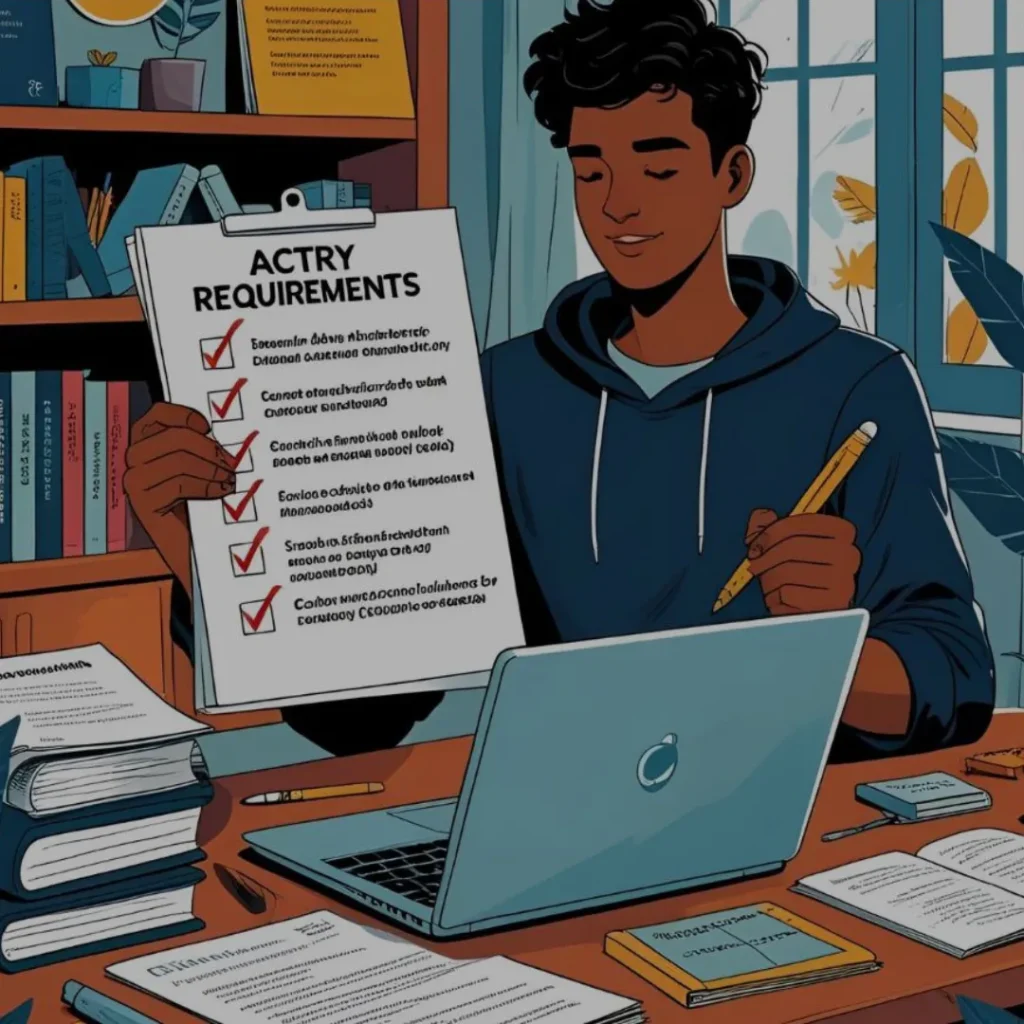
Entry Requirments

Entry Requirements for the ICTQual Level 4 Award in Equality and Diversity Train the Trainer:

  • Educational Qualifications:A minimum of a Level 3 qualification (or equivalent) in Equality and Diversity, HR, Management, or a related field is recommended.
  • Professional Experience:Relevant experience in first aid, healthcare, emergency response, or training delivery is preferred, particularly for those responsible for coaching or mentoring staff.
  • English Language Proficiency:Since the program is delivered in English, learners must show competence in reading, writing, and communication.

The ICTQual Level 4 Award in Equality and Diversity Train the Trainer consists of 10 mandatory units which are as follows.

  1. Introduction to Equality and Diversity Training
  2. Legislation and Policies
  3. Unconscious Bias and Stereotypes
  4. Cultural Competence and Sensitivity
  5. Addressing Discrimination and Harassment
  6. Inclusive Leadership and Organizational Culture
  7. Designing and Delivering Equality and Diversity Training
  8. Facilitation Skills and Techniques
  9. Assessing Learning Outcomes and Providing Feedback
  10. Continuous Professional Development and Improvement

Introduction to Equality and Diversity Training

  • Explain the fundamental principles of equality, diversity, and inclusion.
  • Recognise the importance of training in promoting fair and inclusive practices.
  • Identify the role of a trainer in raising awareness and challenging discriminatory behaviours.
  • Demonstrate understanding of key concepts such as fairness, respect, dignity, and social justice.
  • Understand the benefits of equality and diversity in professional and community contexts.
  • Develop an appreciation for the impact of inclusive training on individual and organisational growth.
  • Reflect on personal attitudes and how they influence training delivery.

Legislation and Policies

  • Interpret key UK and international equality and diversity legislation.
  • Explain how laws and policies protect individuals against discrimination and harassment.
  • Recognise employer responsibilities in promoting compliance with equality frameworks.
  • Analyse the role of policies in shaping inclusive organisational practices.
  • Apply knowledge of legislation to real-world training scenarios.
  • Evaluate the impact of non-compliance on organisations and individuals.
  • Design training materials that align with current equality and diversity policies.

Unconscious Bias and Stereotypes

  • Define unconscious bias and explain its impact on decision-making.
  • Recognise how stereotypes influence perceptions and behaviours.
  • Identify strategies to reduce bias in personal and professional interactions.
  • Deliver training that raises awareness of bias and its consequences.
  • Facilitate discussions that help learners reflect on their own biases.
  • Promote fairer practices by addressing unconscious assumptions.
  • Evaluate the effectiveness of interventions designed to minimise bias.

Cultural Competence and Sensitivity

  • Define cultural competence and its importance in diverse environments.
  • Demonstrate respect and sensitivity towards different cultural traditions and values.
  • Identify barriers to effective cross-cultural communication.
  • Apply strategies to overcome cultural misunderstandings in training sessions.
  • Facilitate activities that promote intercultural awareness and respect.
  • Integrate cultural competence into equality and diversity training programmes.
  • Evaluate personal growth in developing cultural sensitivity.

Addressing Discrimination and Harassment

  • Identify different forms of discrimination and harassment.
  • Explain the legal and ethical responsibilities of organisations in addressing misconduct.
  • Recognise the impact of discrimination on individuals and workplace culture.
  • Deliver training that empowers learners to challenge inappropriate behaviour.
  • Facilitate safe discussions around sensitive and complex issues.
  • Design scenarios and role plays to help learners address discrimination effectively.
  • Provide guidance on reporting and resolving cases of harassment.

Inclusive Leadership and Organisational Culture

  • Define inclusive leadership and its role in shaping workplace culture.
  • Recognise the link between leadership behaviours and diversity outcomes.
  • Promote values of fairness, respect, and inclusion within organisations.
  • Facilitate learning on how inclusive practices drive innovation and productivity.
  • Analyse organisational barriers to inclusion and suggest strategies for improvement.
  • Develop training that highlights the role of leaders in modelling inclusive behaviours.
  • Support organisations in creating a culture of belonging.

Designing and Delivering Equality and Diversity Training

  • Plan structured training sessions on equality and diversity.
  • Develop training materials that are engaging, inclusive, and accessible.
  • Apply adult learning principles in training design.
  • Use a variety of teaching methods to suit diverse learning needs.
  • Deliver sessions confidently and handle challenging discussions effectively.
  • Evaluate the effectiveness of training delivery and learner engagement.
  • Continuously improve training design based on feedback.

Facilitation Skills and Techniques

  • Demonstrate effective communication and presentation skills.
  • Facilitate group discussions that encourage participation and respect.
  • Manage conflict and sensitive conversations with professionalism.
  • Use questioning techniques to promote critical thinking and reflection.
  • Apply inclusive facilitation methods that respect different perspectives.
  • Build learner confidence through supportive engagement.
  • Adapt facilitation styles to suit various training contexts.

Assessing Learning Outcomes and Providing Feedback

  • Develop assessment tools to measure learning outcomes.
  • Apply fair and transparent methods of learner evaluation.
  • Provide constructive feedback that motivates and guides improvement.
  • Monitor learner progress throughout training programmes.
  • Reflect on the effectiveness of assessments in achieving training goals.
  • Adjust training delivery based on learner needs and feedback results.
  • Ensure assessment practices align with equality and diversity principles.

Continuous Professional Development and Improvement

  • Recognise the importance of lifelong learning in training and education.
  • Develop a personal plan for continuous professional development (CPD).
  • Stay updated with changes in equality and diversity legislation and practices.
  • Reflect on training delivery and identify areas for self-improvement.
  • Engage with professional networks to enhance training expertise.
  • Incorporate learner feedback into future training practice.
  • Demonstrate commitment to professional growth as an equality and diversity trainer.

Want to know more?

This course is ideal for HR professionals, managers, supervisors, team leaders, and aspiring corporate trainers responsible for promoting inclusive practices and compliance within organisations.

Learners will develop advanced equality and diversity training skills, session planning, coaching and mentoring techniques, awareness of bias, inclusive communication, and methods to evaluate training effectiveness.

Graduates can pursue roles such as Equality and Diversity Trainer, HR Trainer, Learning and Development Specialist, Corporate Trainer, or Organisational Development Officer.

Yes, participants gain confidence in mentoring staff, delivering engaging training, and promoting inclusive behaviours in organisational settings.

ICTQual qualifications meet professional standards and are valued by organisations seeking certified expertise in equality and diversity training.

Lock In Your Spot

Similar Posts